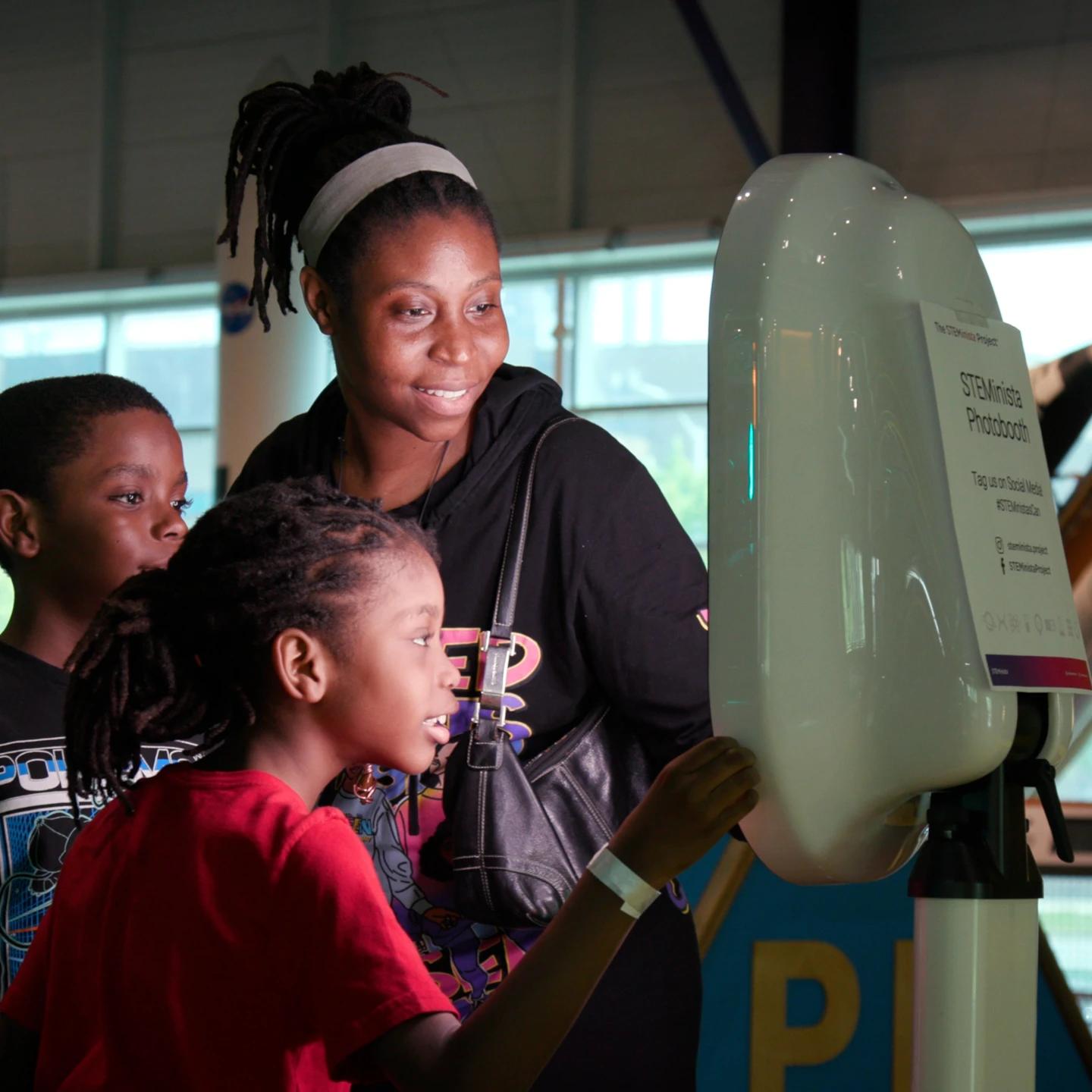
Hope can be found in unexpected places.
Sometimes it even emerges from the darkest chapters in history, carried forward by people determined that suffering and cruelty will not have the final word.
At the Zekelman Holocaust Center in Farmington Hills, visitors stand face-to-face with unimaginable hardship, cruelty and evil. Yet despite all this, they also witness stories of extraordinary courage, perseverance, and the determination to rebuild. The Center is not only a place where history is preserved; it’s a place where individual lives are honored, and future generations are encouraged to create a more compassionate world.
For visitors to Metro Detroit, the Center offers something beyond a traditional museum experience. It provides an opportunity to connect with history through the voices of those who lived it and discover how their resilience continues to shape the community and the world today.
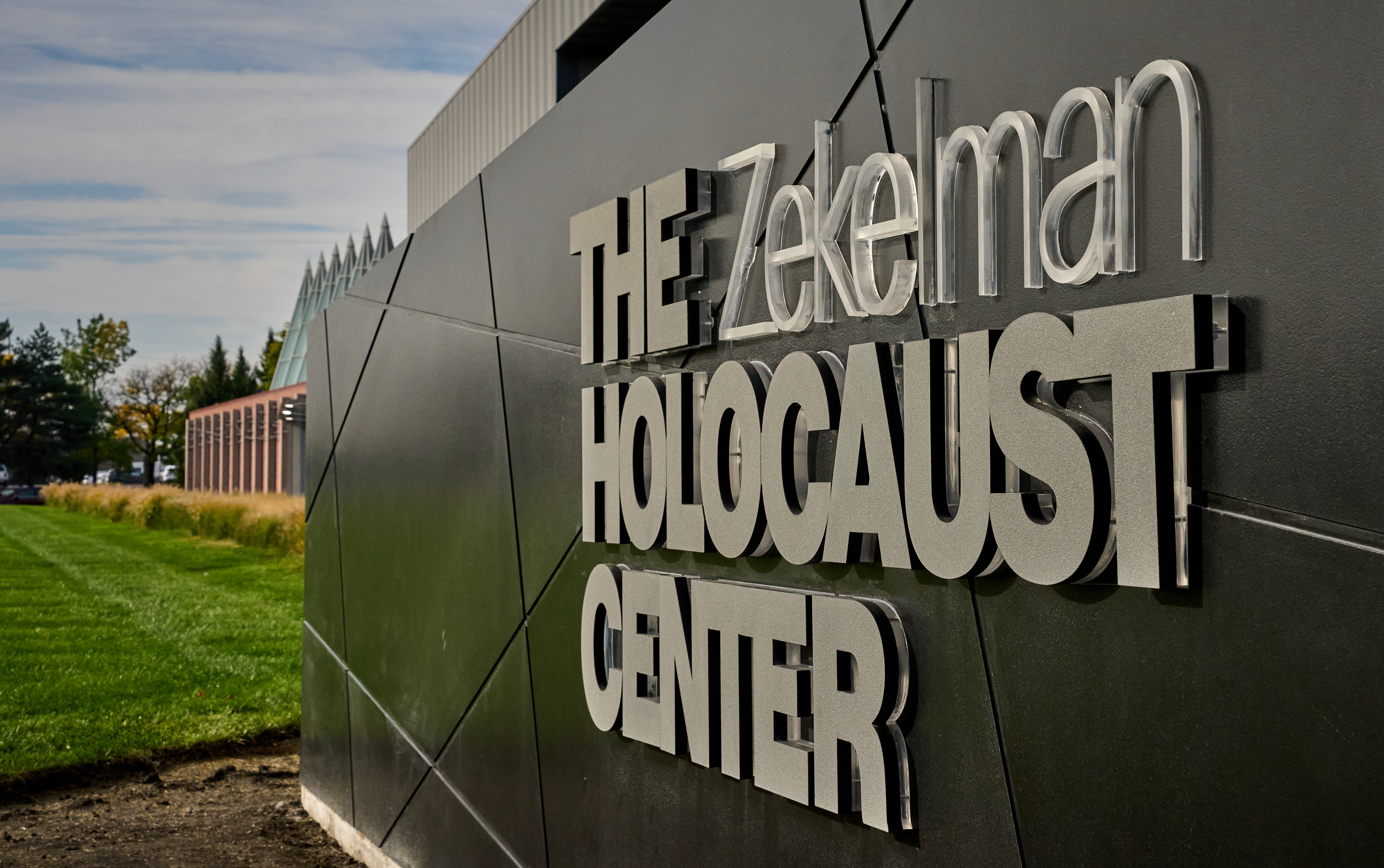
A Legacy Built by Survivors
The story of the Zekelman Holocaust Center begins with the people who survived one of history’s darkest hours and greatest atrocities and chose to create something lasting.
Following World War II, Holocaust survivors settled throughout Metro Detroit, establishing homes, raising families, pursuing careers, and becoming part of the region’s social and cultural fabric.
Their experiences were marked by profound loss and suffering. Yet their determination to rebuild their lives reflected a remarkable capacity for perseverance.
For many survivors, rebuilding was only part of the mission. They also wanted to ensure that the stories of those who had perished would never be forgotten.
This commitment helped to inspire the creation of the Holocaust Memorial Center, founded in 1984 by local survivors with support from the community. Originally located in West Bloomfield, the museum moved to its current location, 28123 Orchard Lake Road in Farmington Hills, in 2004.
What began as a vision shared by this group of survivors has grown into an important educational and cultural institution, welcoming visitors from all over the world.
Although much has changed, the Center’s mission has remained — engage, educate, and empower through remembrance.
The Zekelman Holocaust Center stands as a testament not only to those who were lost, but also to those who found the strength to begin again.
More Than a Collection of History
Unlike many other museums, walking through the Zekelman Holocaust Center is an opportunity to encounter history on a much deeper and more personal level.
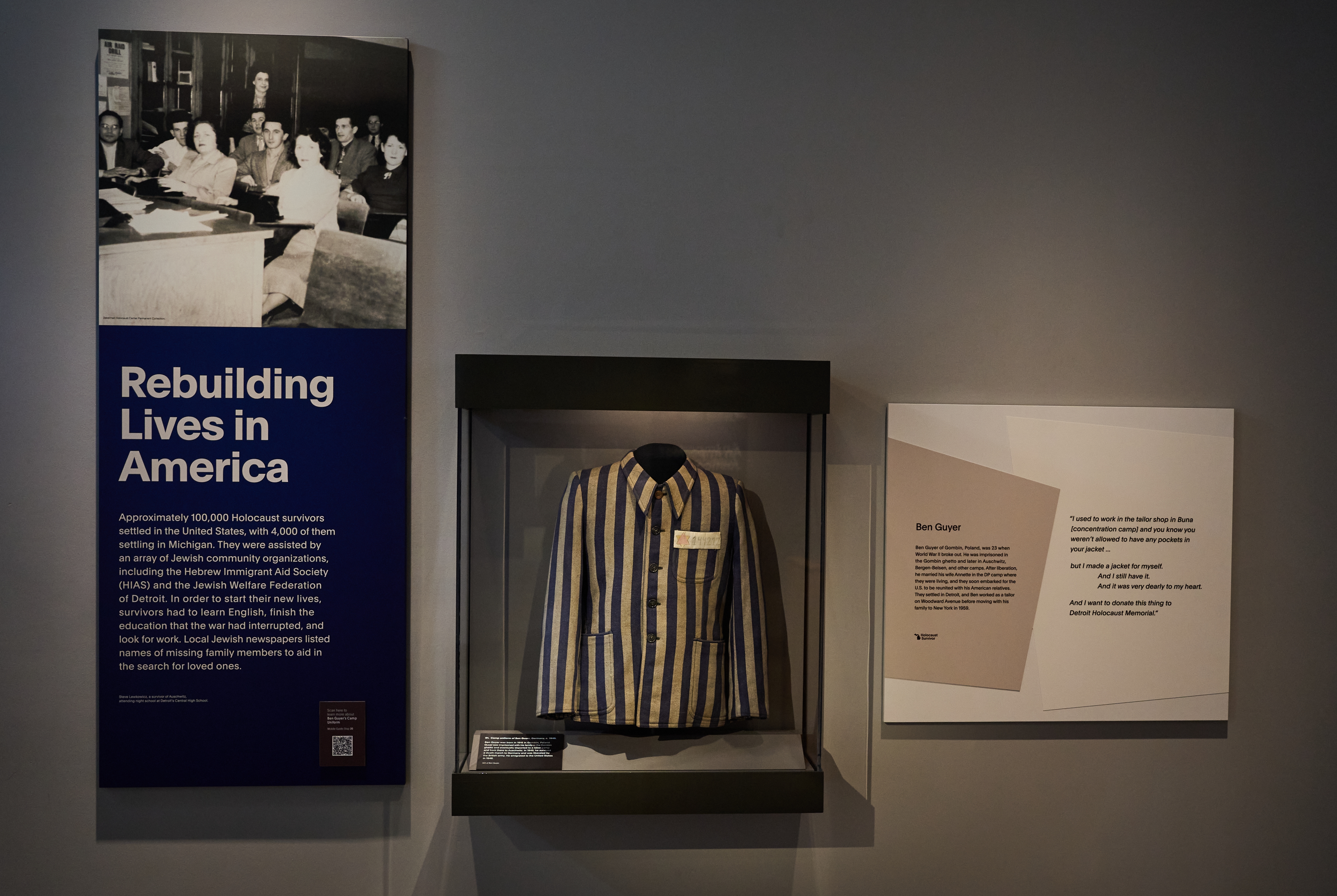
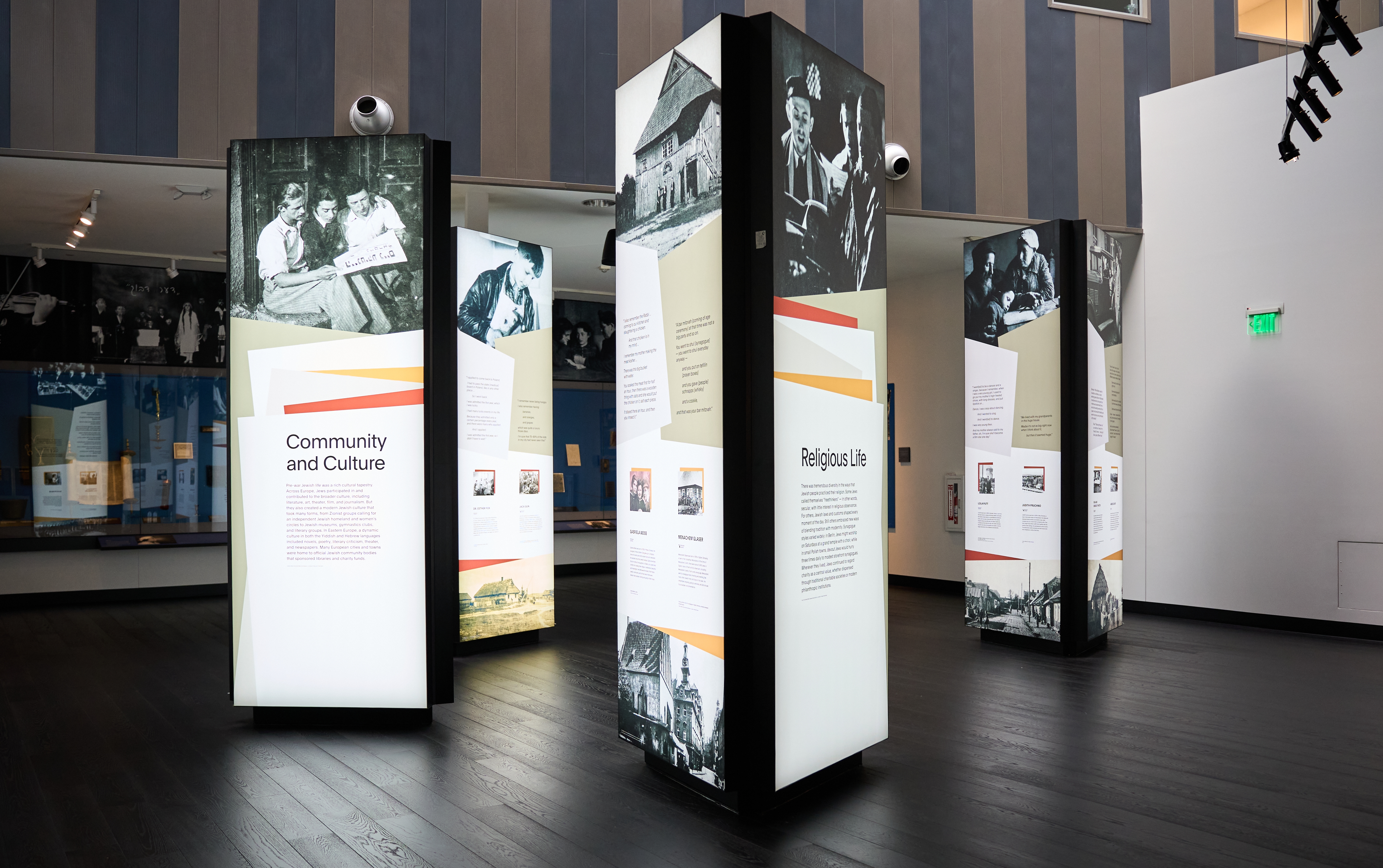
Rather than presenting the Holocaust solely through dates, historical events and statistics, the Center places human experience at the center of its storytelling. Personal belongings, photographs, historical documents, recorded testimonies and interactive displays introduce visitors to individuals whose lives were forever changed by Nazi persecution.
These were people with careers, families, interests, aspirations and dreams. Their stories remind visitors that behind every statistic and historical record is a real human being with a life and a future.
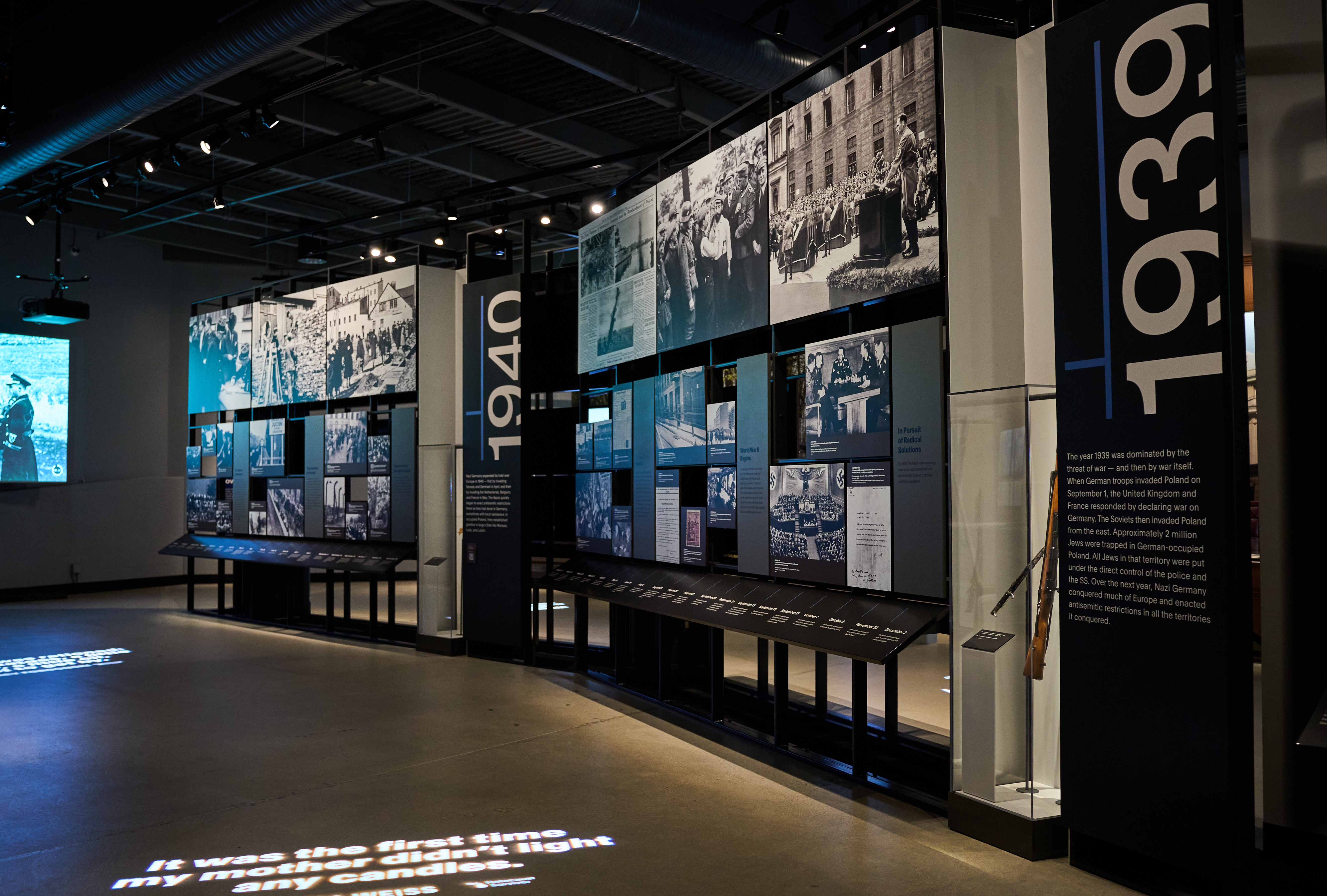
That perspective became even more prominent in 2024, when the Holocaust Center unveiled a redesigned, 15,000-square-foot core exhibition.
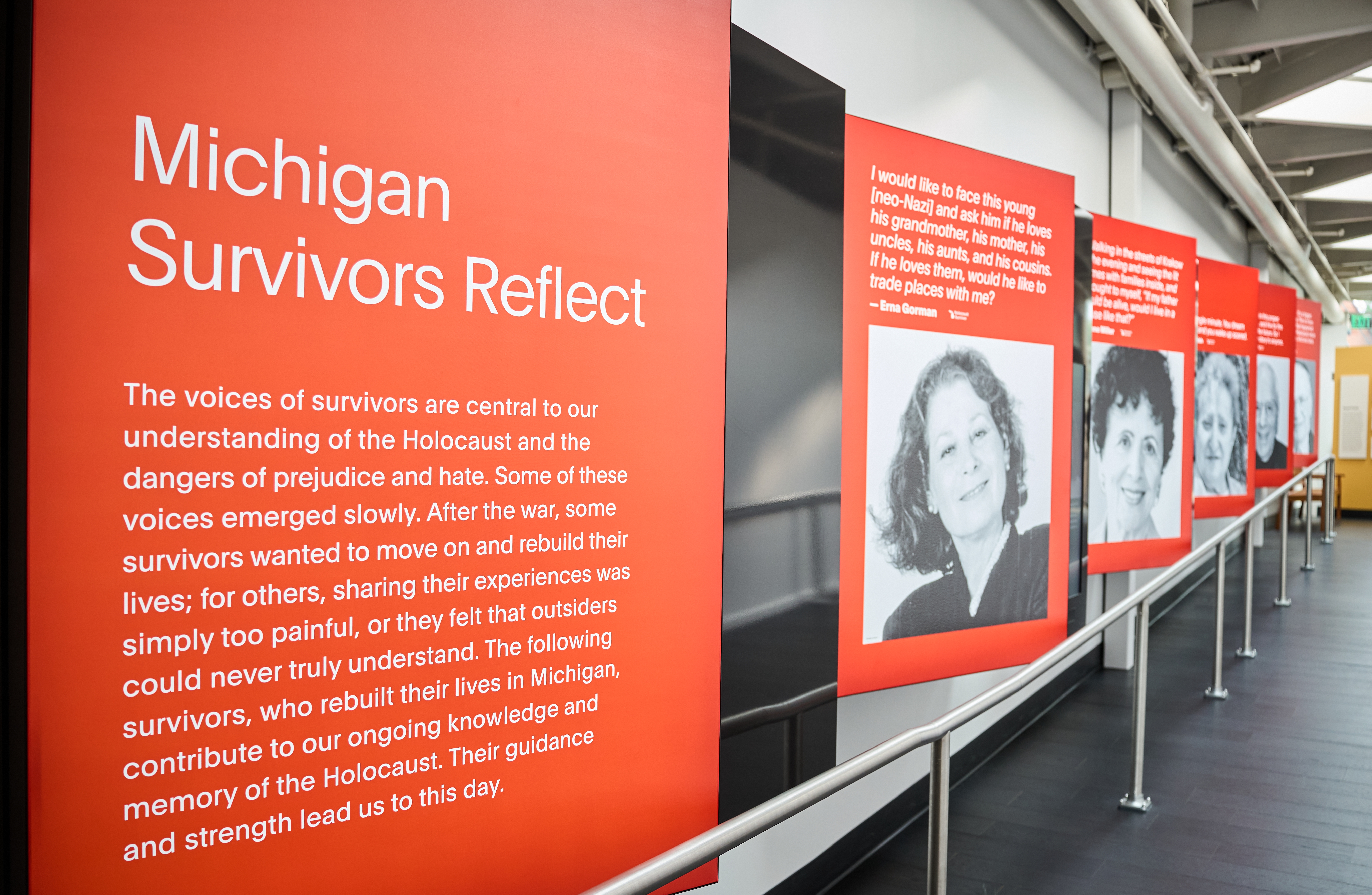
The renovation introduced visitors to Jewish life before the Holocaust through personal testimony, and the experiences of survivors who eventually made Michigan their home.
Visitors learn about the events leading to the Holocaust and the devastating effects of antisemitism, discrimination, and unchecked hatred.
Woven through the exhibit, however, are stories of survival, resistance, resilience and courage in the face of extraordinary danger.
The result is an experience that demands reflection while reminding visitors of the importance of individual actions.
Finding Courage in Extraordinary Circumstances
Among the Center’s most meaningful lessons are the stories of people who simply refused to surrender their humanity. Some resisted persecution directly. Others protected neighbors, sheltered families, preserved religious traditions, or helped children escape danger.
These stories do not diminish the enormous suffering of the Holocaust. Instead, they demonstrate that even during periods of widespread cruelty, people retain the ability to make choices rooted in compassion.
That message remains relevant today.
Visitors to the Center are encouraged to consider the importance of recognizing injustice, questioning prejudice, and standing up for others.
The Center also houses a sapling descended from the chestnut tree visible from Anne Frank’s hiding place in Amsterdam.
Its connection to Frank offers a poignant reminder of a young life, a powerful literary legacy, and the importance of preserving personal stories for generations yet to come.
Michigan Stories
One of the most compelling aspects of the Zekelman Holocaust Center is its connection to the people of Metro Detroit.
Through these personal histories, visitors discover journeys that began thousands of miles away and eventually led to new lives in Michigan and in communities just like yours and mine.
Some survivors arrived as children.
Others came after enduring the ghettos, concentration camps, forced labor, hiding or displacement.
Their experiences were different, but their stories shared a common thread: the challenge of building a future after tremendous loss and trauma.
Many went on to establish families, businesses, careers — each one contributing to the growth and character of the Detroit region.
These achievements did not erase what happened. Rather, their lives demonstrated the remarkable determination required to move forward while carrying the memories of the past. These individuals went on to become neighbors, colleagues, teachers, community leaders, and the legacy of each is woven into Michigan’s own history.
Teaching Hope to Future Generations
Preserving the past is only part of the Holocaust Center’s mission.
Equally important is helping future generations understand what history can teach them about their own responsibilities.
Through educational tours, school programs, teacher training and public presentations, the Center encourages visitors to think critically about the consequences of intolerance and the significance of protecting human dignity.
Encountering individual survivor stories can transform historical events from distant classroom lessons into meaningful human experiences. A photograph becomes a person. A testimony becomes a voice. A historical event becomes a reminder that choices have consequences.
The Center’s educational approach invites visitors to consider how ordinary people respond when confronted with injustice.
Will they remain silent?
Will they look away?
Or will they find the courage to act?
These questions reach beyond the Holocaust, as well.
They encourage empathy, thoughtful citizenship and a greater awareness of the ways individuals can contribute to a stronger community.
As opportunities to hear firsthand accounts from Holocaust survivors become increasingly limited, preserving their testimony has taken on even greater significance.
Through recordings, archives and programming, these voices can continue to reach students and visitors for generations.
At the Center, remembrance becomes an investment in the future.
A Meaningful Stop in Metro Detroit
The Zekelman Holocaust Center offers visitors an experience that is both educational and deeply reflective and impactful.
Its exhibitions invite guests to explore difficult history while discovering stories of resilience, resistance, and the enduring power of compassion.
It is not a place that asks guests to ignore the darkness of the past.
Instead, it encourages them to recognize the humanity of those who suffered, honor those who survived, and consider how lessons from history can influence choices made today.
The Zekelman Holocaust Center’s lasting message is not that suffering inevitably produced hope. It is that people can choose to preserve memory, protect one another, and work towards a better future even after profound tragedy.
For Metro Detroit, the Center represents a remarkable legacy created by people who experienced unimaginable loss yet remained committed to educating others.
For visitors, it offers an opportunity to leave with more than historical knowledge. It offers them a renewed appreciation for courage, compassion and the responsibility we all share in shaping the future.
The Zekelman Holocaust Center reminds visitors that remembering the past isn’t simply about understanding what happened. It’s about recognizing the difference we all can make in what happens next.
EXPLORE MORE

A starting point for planning your trip, featuring stories and recommendations that bring Detroit to…

One might expect to find the only museum in the country dedicated to the Arab…

Macomb County has a lot of museums! If you have a particular interest or if…