
For decades, the standard path for an aspiring Midwestern chef was defined by a one-way ticket out of town. To earn the right to wear a high-level white jacket, you had to leave the Great Lakes behind, chasing the grueling, precision-obsessed world of Michelin-starred kitchens in New York, London, or Tokyo. The narrative was simple: if you wanted to be among the elite, you stayed where the stars were. But recently, gravity has shifted. A generation of world-class talent is packing up their global pedigrees and returning home to the metro area, trading the skyscrapers of Manhattan for the neighborhoods that raised them.
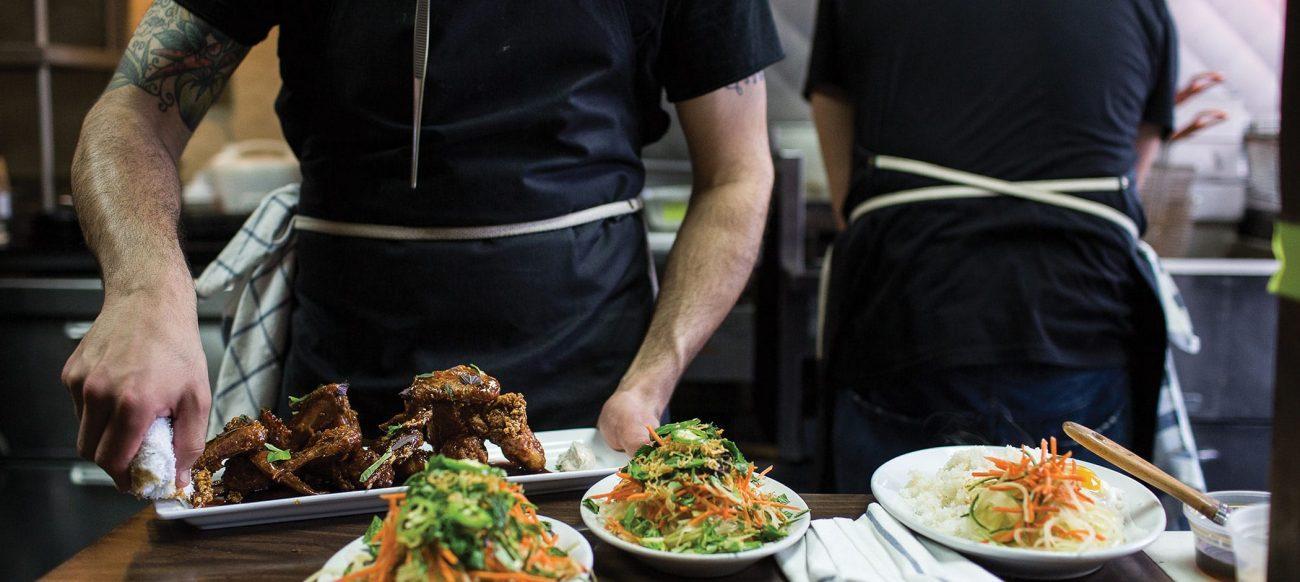
This "Michelin Migration" isn't about nostalgia; it’s a sophisticated enrichment of the local soil. These returning masters aren't just bringing back recipes; they are transplanting the exacting standards and "no-fail" DNA of the world’s most prestigious dining rooms directly into Detroit’s local eateries. Whether it’s the technical seafood mastery in the North End or the "New Nordic" ethos in the city’s historic neighborhoods, global technique is finally meeting Detroit’s uncompromising soul. The result is a culinary environment that appears both internationally polished and authentically local.
Today, Metro Detroit is officially entering a historic new era as its restaurants become eligible for Michelin Star ratings. As international critics and global food connoisseurs turn their gaze toward the Great Lakes, they are finding a city that has already been doing the work. For those eager to explore this new wave of excellence, Oak & Reel in the North End, where Chef Jared Gadbow's signature Orata and handmade pastas are redefining Detroit’s Italian seafood scene, or enjoy Mother’s Day brunch prepared by Chef Kate Williams at Antidote Detroit.
Other notable destinations include The Apparatus Room, helmed by Thomas Lents, a spot equally prized for its polished classics as for its mentorship of the next generation of chefs. At Baobab Fare, diners can experience Hamissi Mamba and Nadia Nijimbere’s bold West African cuisine, while Alpino brings David Murphy’s alpine precision to Corktown. Thanks to this wave of elite talent, Detroit has secured its status as a permanent fixture on the global food map. The city no longer needs to chase the stars; from the detailed prep tables of the suburbs to the vibrant dining rooms downtown, it’s clear the stars have already arrived.

Chef Jared Gadbow demonstrates the skill now found in Detroit’s North End. Before opening Oak & Reel, he spent over a decade in Manhattan’s top restaurants. As executive chef at Marea, he helped keep its two Michelin stars. He focused on perfect Italian seafood. In Detroit, Gadbow uses that same discipline to create something new for the area.
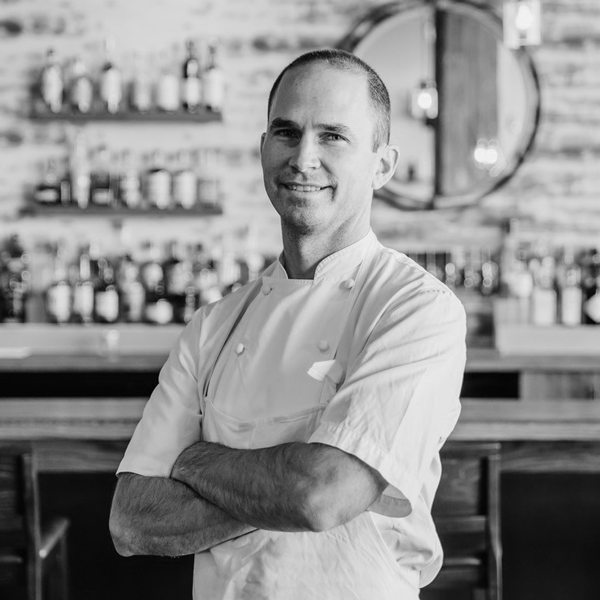
“I was fortunate enough to learn in New York under legends like Jacques Pépin and André Soltner at a time when there was less tolerance for individualism, a tougher environment where you couldn't get anything by the chefs. Those standards are high, and the stakes are even higher.”
Oak & Reel is proof of this "Michelin Migration." Gadbow brought not just recipes but a new way of sourcing and service. The restaurant focuses on top-quality seafood, delivered fresh daily and handled with care. Freshly made pasta completes the offering and fills a gap in Detroit’s dining scene. Still, moving from Manhattan to Milwaukee Junction has brought big changes in how he works.
“I’ll be honest, [Michelin eligibility] brings a lot of anxiety,” Gadbow admitted.
“It is a world that I lived in for 15 years. Detroit has that grit, that Midwest hospitality that is more like walking into someone’s home versus this cookie-cutter version of fine dining. You’re the same restaurant you were yesterday, but now everyone’s going to come and try you because you’re considered among the elite. It puts you in a different ball game.”
In New York, restaurants can afford large teams of sous chefs and specialists. In Detroit, Gadbow says he has to manage with a smaller staff, which means he is more hands-on. Costs also affect what he can serve.
“A wild piece of turbot would cost me $30, and I’d have to charge $120. There’s really not a lot of appetite for that here,” he said.
To accommodate diners, Gadbow offers more accessible menu items, such as the Orata dish, while maintaining the strict standards of a two-star kitchen. Although restaurants like Oak & Reel use premium ingredients and refined techniques, they aim to serve a range of price points, with many main dishes priced between $20 and $40. By balancing seasonal specials with affordable options, these establishments make the elevated dining experience more approachable and inclusive for both special occasions and everyday meals.
Chef Takashi Yagihashi was already helping put the Midwest on the map when he earned a Michelin star at his Chicago restaurant, Takashi, and is famous for blending French techniques with Japanese precision.
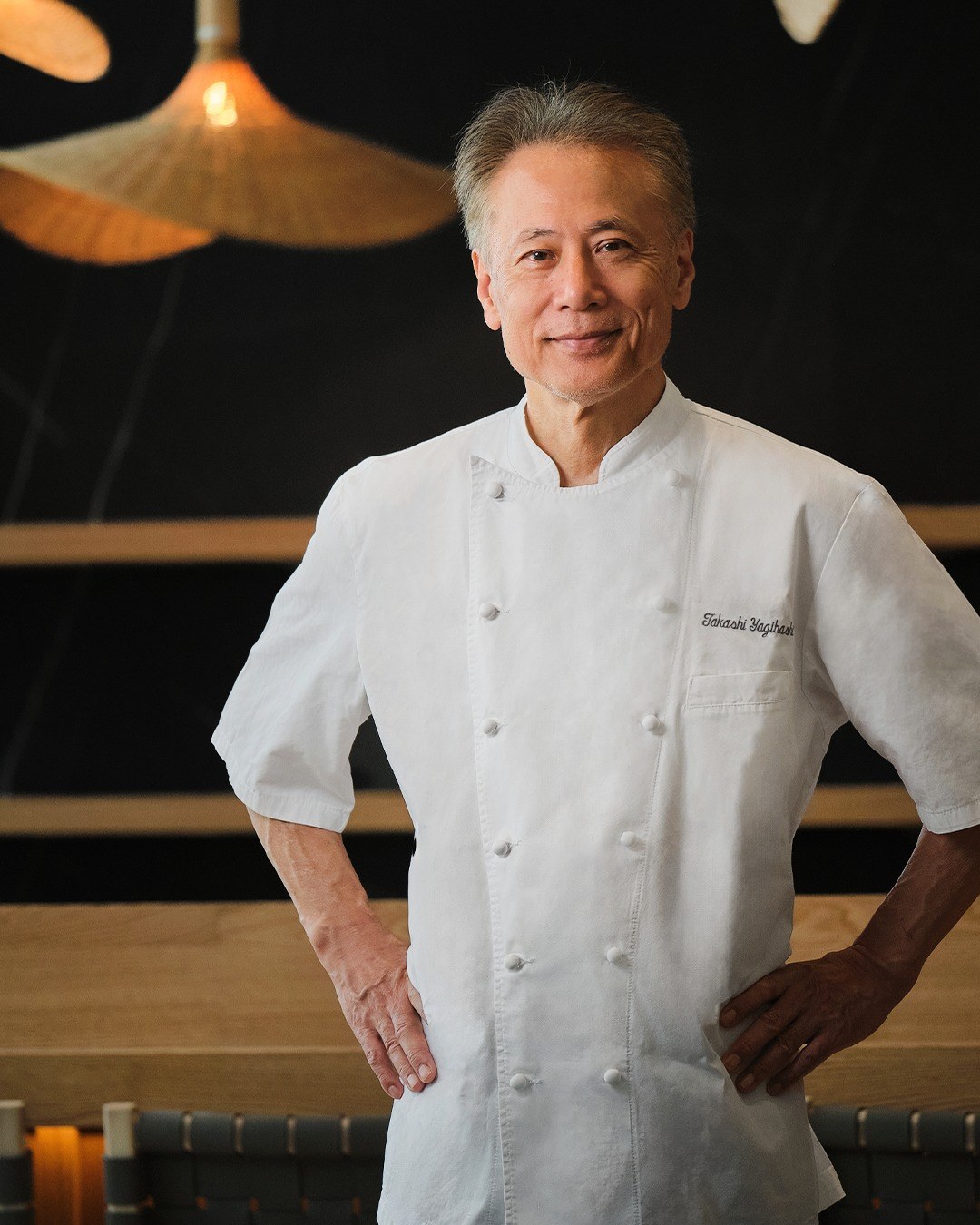
Similarly, Yagihashi’s return to Metro Detroit, especially through his work at places like Slurping Turtle in Ann Arbor, marks another important moment for local dining. Trained in top kitchens around the world, including Japan, that define Michelin-level cooking today, Chef Takashi reflects on how much the region’s food scene has changed.
"I was at Tribute in the mid-1990s to mid-2000s," he recalls.
When Yagihashi works in Detroit, he brings international respect that inspires other chefs. He offers more than ramen or sushi. He brings a strong reputation. His presence has raised expectations. It has shown local diners that the simplicity of Japanese cooking stems from great skill and technique, as in his Kasumi seared tuna akami.
His latest residency at the Detroit Foundation Hotel lets him return to the close, personal cooking he missed while managing menus at airports and cruise lines."I miss the intimacy of working face to face with customers, the experience of omotenashi, hospitality for my guests," Yagihashi shared.
"I miss the intimacy of working face to face with customers, the experience of omotenashi, hospitality for my guests," Yagihashi shared.
By utilizing a 20-seat communal Chef’s Table, he is able to "connect and share the experience" while researching local Michigan sources to ground his global ingredients in the community.

Chef Kate Williams, a Detroit native, perfected her craft at Relæ, a Michelin-starred restaurant in Denmark known for sustainability and minimalism. When she returned to Detroit to open Lady of the House (and later Karl’s), she did so along with cured vegetables or butchering whole animals. She also brought a New Nordic ethos that stressed the community and the producer above all else.
“I realized I became a chef because I wanted to be the ultimate hostess,” Williams said.
“For me, discovering that I was interested in cooking and being in a restaurant came in high school. But it was driven by the idea that if I want to do this, I want to do it all the way. I learned a lot of good habits in the brigade system. Still, it didn't light me up inside until I found a way to share and care for people through food in a community that I love.”
Williams’ story exemplifies one of radical hospitality. Her training in some of the world’s most disciplined kitchens gave her the technical "chops" to compete anywhere. However, her heart was in Detroit's neighborhoods. Her time at Relæ specifically taught her to be a "product-forward" chef rather than a "spice chef."
“My time in Copenhagen taught me that I want to make food taste more like itself,” Williams explained.
“That Nordic philosophy inspired the carrot steak. It was about asking, 'What can we do to make this taste like the best version of itself and really celebrate the ingredient?'"
It’s about honoring the neighbor down the street who is making their living growing food in a neighborhood farm.”
Regarding the recent Michelin news for Detroit, Williams offers a characteristically Detroit perspective, pride tempered with a healthy dose of independence.
The narrative of Michelin excellence in Detroit would be incomplete without Thomas Lents at The Apparatus Room. Lents may be the most direct line to the "Grand Tier" of global cooking. He was the first American executive chef at Joël Robuchon in Las Vegas, a temple of gastronomy with three Michelin stars.
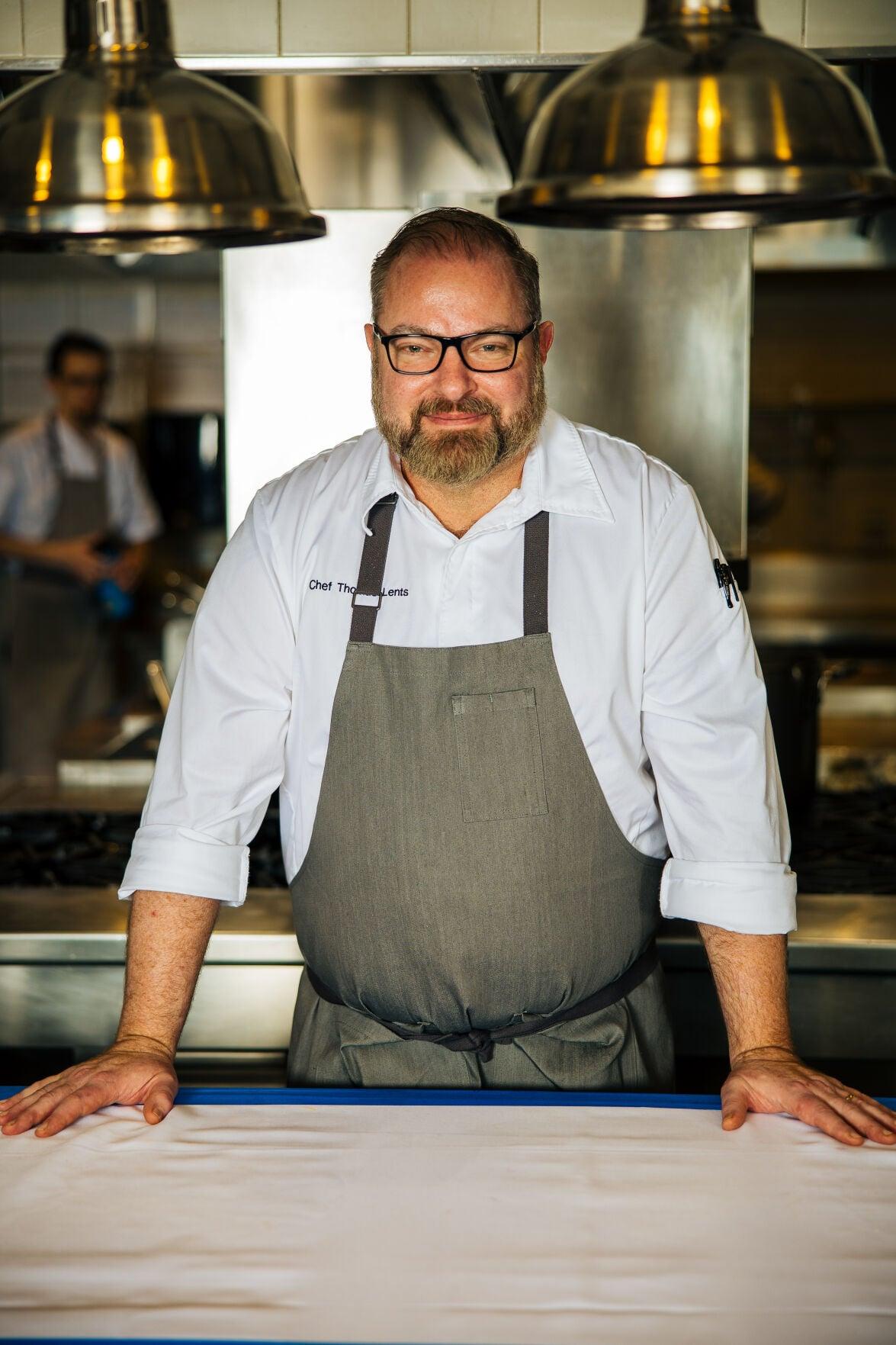
For Lents, bringing that level of precision to Detroit is applying a three-star work ethic to the Midwest’s bounty. His presence inside the Detroit Foundation Hotel created a "halo effect" for the city's hotel dining, proving that a restaurant in a refurbished firehouse could compete with the world's best.
Like Gadbow and Yagihashi, Lents’ contribution is as much about mentorship as it is about the menu; he has spent years training local cooks in Robuchon's rigorous, uncompromising methods, creating a "coaching tree" of talent that is now spreading throughout the metro area.
When chefs like Gadbow or Yagihashi set up shop, they catalyze change in the entire local supply chain. Their insistence on premium, seasonal ingredients challenges local farmers and purveyors to adapt to stricter standards. In response, Michigan producers have begun diversifying their crops, focusing on sustainable practices, and forming direct partnerships with restaurants to meet these demands.
Some of those Michigan producers are local students in the Drew Horticulture program, who grow, harvest, and supply restaurants like Freya and Chartreuse Kitchen & Cocktails with fresh produce. These collaborative efforts have led to improvements in farming techniques and even investment in specialty crops once considered too niche for the region. As farmers receive consistent support and higher prices for their best products, they can reinvest in their land, equipment, and communities. Helping create a self-sustaining ecosystem of quality that benefits everyone along the food chain.
Additionally, the legacy of Metro Detroit’s culinary landscape is defined by visionaries whose absence is still felt, but whose influence remains integrated into the city’s kitchen fabric.
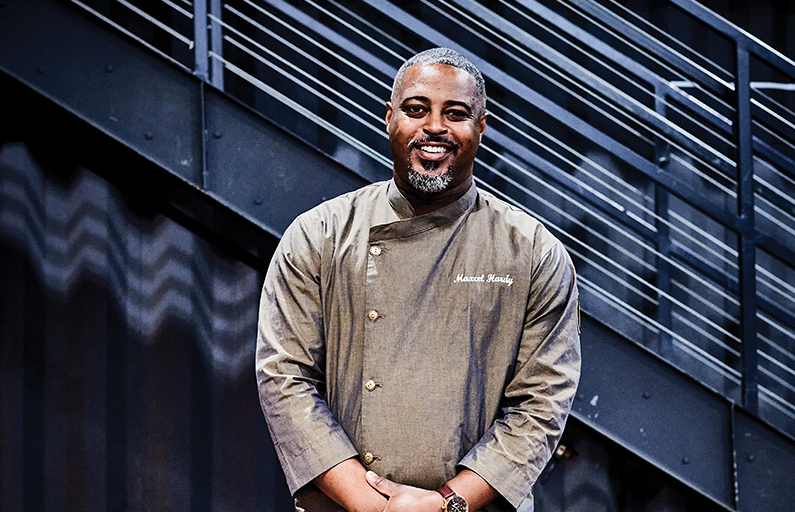
Chef Maxcel Hardy leaves behind his Afro-Caribbean flavors at Coop but is remembered for his tireless advocacy against food insecurity and for mentoring the next generation of Detroit chefs. He proved that culinary excellence and community activism are not mutually exclusive.
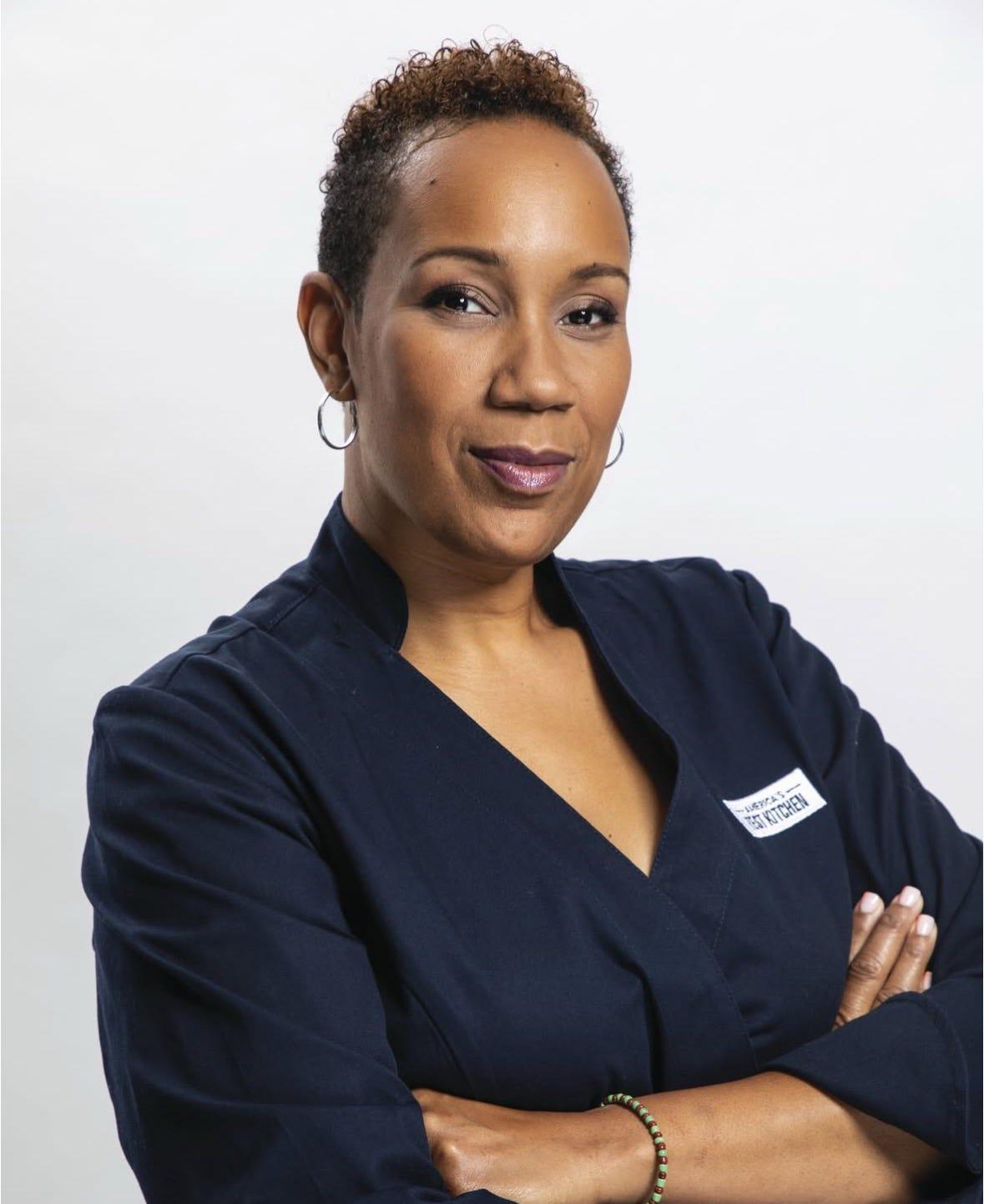
Similarly, though her reach became nationally recognized through America's Test Kitchen, the impact of Detroit-born Elle Simone Scott resonated deeply at home. She was a trailblazer for Black women in the industry and a courageous advocate for health and representation. She proved a chef’s voice could change the world beyond the plate.
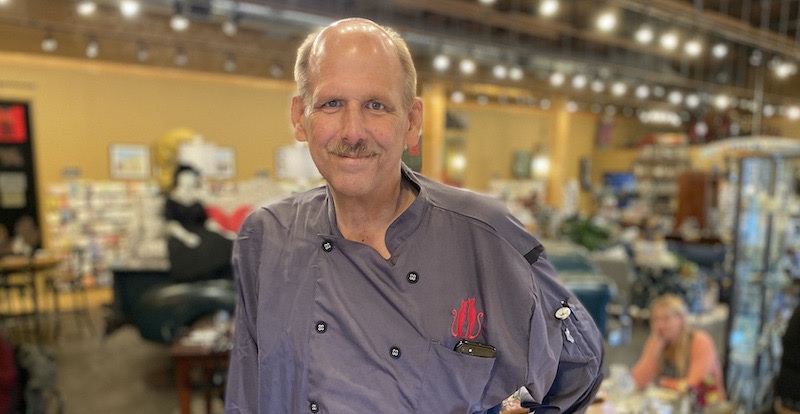
Matt Prentice's prominent presence has been a fixture of the Oakland County restaurant scene for decades. He built a culinary empire based on a relentless work ethic and a commitment to nurturing hundreds of careers. He paved the way for professionals who now call Detroit home. These leaders left behind a blueprint for a more compassionate, skilled, and inclusive Detroit food community.
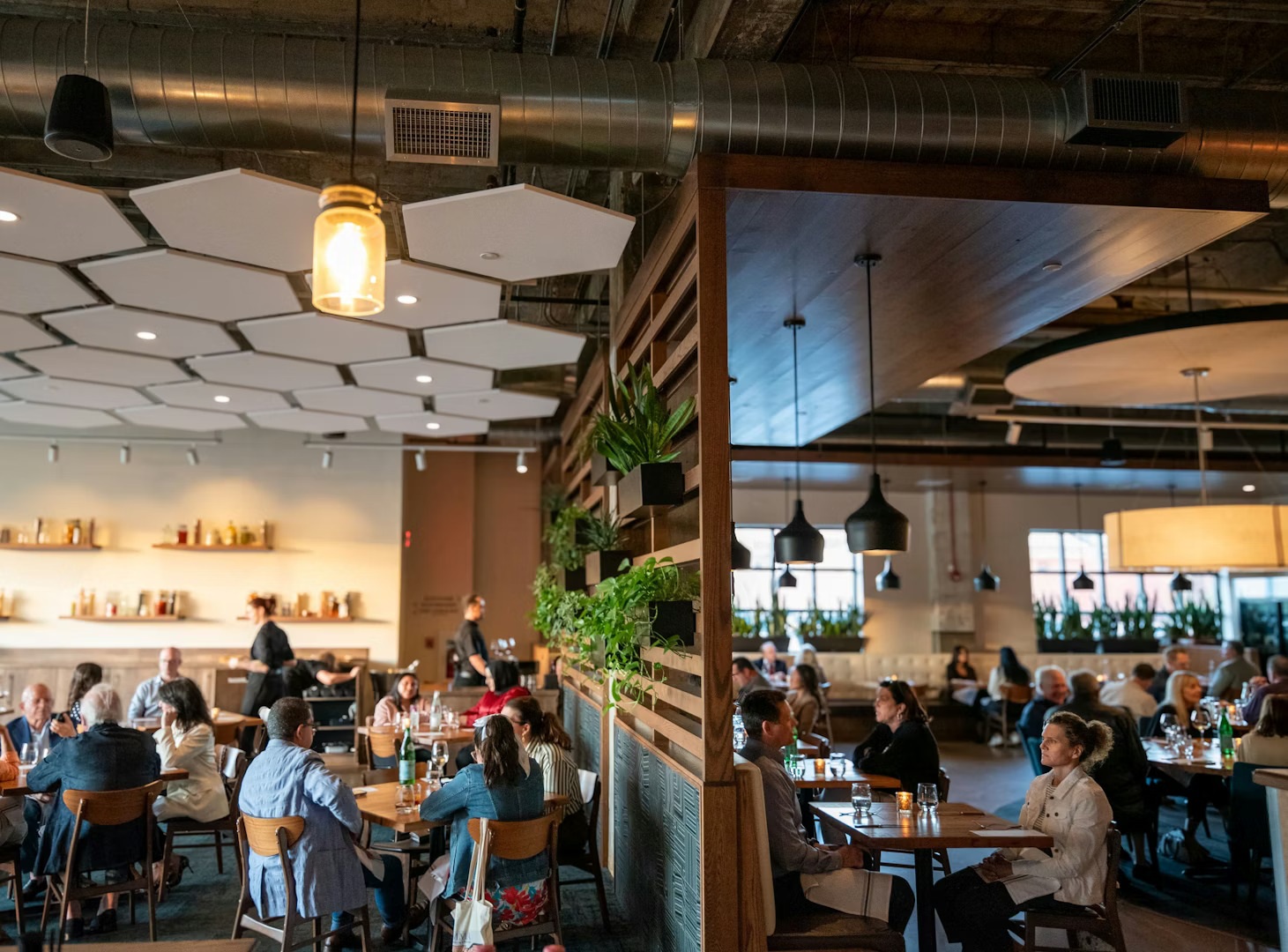
The feature of Detroit's dining scene is no longer about seeking external validation; it is about recognizing that world-class talent is already here, working the line, sourcing from the neighborhood, and feeding the community. The bold West African cuisine of Hamissi Mamba and Nadia Nijimbere, at Baobab Fare, Detroit chefs from all backgrounds are redefining what fine dining means in Michigan. The alpine-inspired precision of David Murphy at Alpino sits alongside culinary traditions from Mexico, India, and the Caribbean, reflecting the city’s rich multicultural fabric.
The "Michelin Migration" has come home, and that means the best meal of your life no longer requires a plane ticket to New York or Copenhagen. Just a drive down Woodward, a walk through the North End, or a seat at a communal table where a master chef is waiting to share their journey with you. The stars have arrived in Detroit and found a place where they can shine on their own terms.
EXPLORE MORE

Meet Detroit’s Finest Female Chefs and Restaurateurs
Warning: Reading while hungry may result in reservations booked at one or more locations.

Where to Go in Corktown Detroit: Best Spots Near the Godfrey Hotel & Michigan Central Station
Best Places to Eat, Drink & Explore

A Seat at The Table: Guest Chef Series at The Apparatus Room
You are cordially invited to the Detroit Foundation Hotel's Guest Chef Series. Your seat at The Table awaits!