Picture this: you’re cruising down an open highway, the road stretching toward the horizon. The windows are down, music plays softly on the radio, and the only direction is forward. For travelers around the world, this feeling has become the ultimate symbol of freedom: the American road trip.
But this iconic way of traveling has not always existed. Long before roadside motels, classic diners, glowing neon signs, and the legend of U.S. Route 66, the idea of setting out on an open road by car was unimaginable.
That story begins in an unexpected place: Detroit, Michigan.
Located along the Great Lakes in the American Midwest, just across the river from Canada, Detroit may not be the first destination that comes to mind when planning a road trip. Yet without it, the road trip as we know it would not exist. Known as the “Motor City,” Detroit transformed global travel and earned its place as the birthplace of the modern road trip.
It was here that Henry Ford revolutionized transportation, turning the automobile from a luxury into something accessible for everyday people. By putting millions behind the wheel, he didn’t just change an industry. He made a new kind of journey possible.
The road trip may be an American tradition, but it was technically built in Detroit.
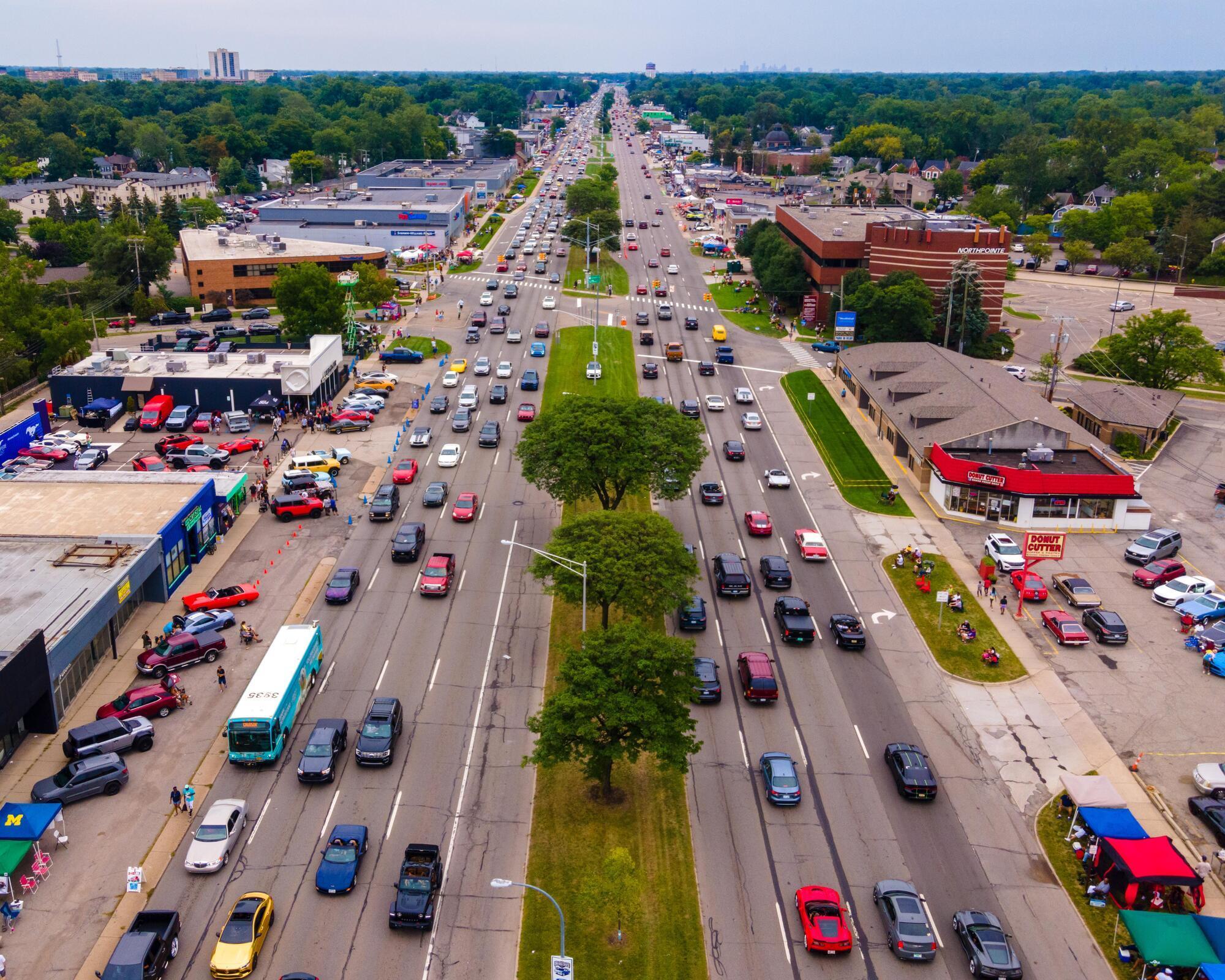
Why Detroit? Understanding the Motor City
To understand the road trip, you have to start with the city that made it possible, which is Detroit.
In the early 20th century, Detroit became the center of a transportation revolution that reshaped how people moved across the United States and, eventually, the world. At the heart of that transformation was Henry Ford, whose innovations made car ownership accessible to everyday people for the first time.
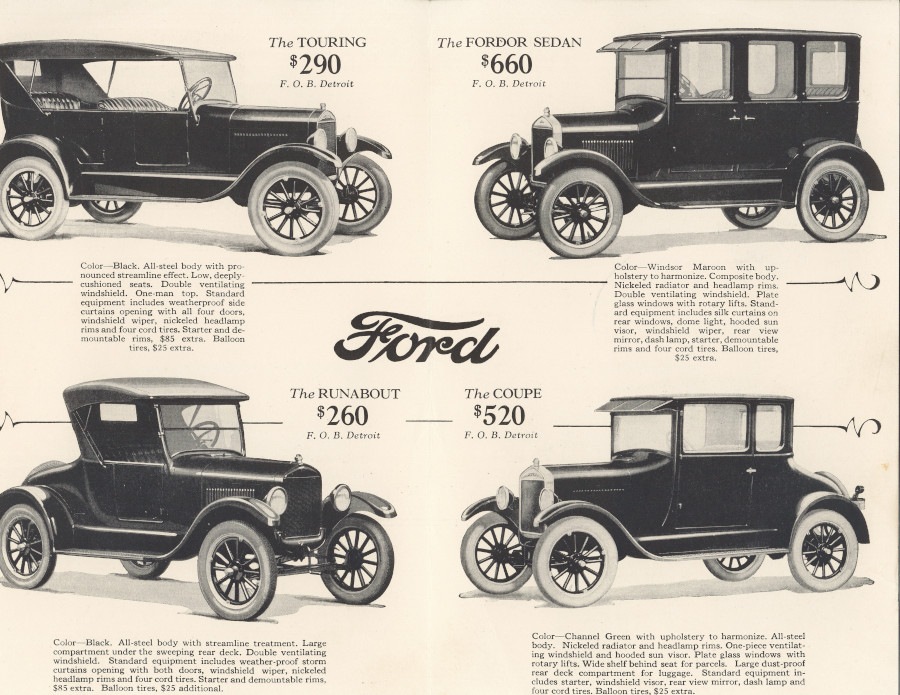
In 1903, Ford founded the Ford Motor Company and began producing automobiles in Detroit. While early vehicles were expensive and out of reach for most families, Ford had a different vision. With the introduction of the Ford Model Tin 1908 (Model T), he focused on efficiency and affordability. By pioneering the moving assembly line, Ford dramatically reduced production time, allowing factories to produce thousands of cars each day, something previously unimaginable.
This innovation didn’t just change manufacturing; it changed society. The price of the Model T dropped from around $850 in 1908 to less than $300 by 1927, putting car ownership within reach of many middle-class Americans. Ford also introduced the $5 workday for an eight-hour shift, a groundbreaking move at the time that attracted workers from across the country and helped establish Detroit as a booming industrial city.
Ford was not alone in shaping Detroit’s legacy. The city also became home to other major automakers, including General Motors and Chrysler. Together, these companies became known as “the Big Three,” cementing Detroit’s reputation as the Motor City and the global capital of the automotive
industry.
By making cars affordable for everyday people, Detroit didn’t just build vehicles, it created freedom of movement. Travel was no longer confined to trains, horses, or walking. For the first time, people could explore on their own terms. In many ways, the modern road trip started here.
The Birth and Legacy of Route 66
Call it what you want, the Mother Road, Main Street America, The Road of Dreams, Will Rogers Highway, or just as it’s called, Route 66, this iconic highway connects Chicago, Illinois all the way to Santa Monica, California.
Route 66 was established in 1926 and spans over 2,400 miles. It is the ultimate road trip experience since it passes through many states including Illinois, Missouri, Kansas, Oklahoma, Texas, New Mexico, Arizona and California.
During the Dust Bowl of the 1930s, Route 66 was the primary route that workers from the Midwest took to get to California. Then, during WWII, it became the route taken to move key military equipment across the country.
By 1938, it was fully paved from beginning to end and became the first transcontinental highway in the United States and a major route for those heading west. It was also a more cost-effective way for families to travel together, rather than paying for train tickets. Families could also choose budget-friendly motels to stay at or camp along the way to their destination.
Now, Route 66 is seen by vacationers as the ultimate road trip experience, checking out tons of free attractions, roadside stops, and getting photo opportunities along the way. This year marks the iconic highway’s centennial celebration. The states along the route have tons of ways to celebrate.
From Detroit to the Open Road: How One Idea Changed Travel
The road trip didn’t appear overnight. It evolved from a simple but powerful idea: giving people the ability to travel easily.
When cars became more accessible thanks to Henry Ford and Detroit’s booming automobile industry, people began venturing farther from home than ever before. What started as short drives quickly turned into longer journeys, connecting cities, states, and eventually the entire country.
As more Americans took to the road, the need for better infrastructure followed. Roads were improved, highways were built, and routes like U.S. Route 66 became essential connections between regions. Along the way, a new kind of travel culture emerged, filled with roadside diners, family-owned motels, mom and pop shops, and quirky attractions designed to welcome travelers.

This shift didn’t just change how people got from place to place. It transformed travel into an experience. The journey became just as important as the destination.
Today, whether you're driving across the country or taking a short weekend trip, that same spirit of exploration still exists. And it all traces back to the moment Detroit made mobility possible for everyone.
Taking the Scenic Route: Why Road Trips Are Still Relevant Today
Road trips are a fun way for friends and family members to enjoy a vacation together. With fun, nostalgic places to visit on Route 66 and other areas, families can find fun and unexpected experiences along the way.
It can also be a more cost-effective way to go on vacation. Rather than paying for plane tickets for everyone, you are basically just paying for gas and maybe a car rental along the way. Flying can cost a lot more depending on how many people you’re traveling with and on where you’re traveling to.
Being in the car on a road trip creates a unique bonding experience. Unlike flying, where families are often split up across rows, a road trip keeps everyone together, sharing the same space, conversations, and moments along the way.
You also find so many more hidden gems along a road trip. Route 66 has so many great must-see attractions including Cadillac Ranch (Amarillo, TX), Blue Whale of Catoosa (Catoosa, OK), Midpoint Cafe (Adrian, TX), Gemini Giant (Wilmington, IL), Standin’ on the Corner Park (Winslow, AZ), Elmer’s Bottle Tree Ranch (Oro Grande, CA), Wigwam Motel (Holbrook, AZ), and much more.
California, Oklahoma and Illinois all have Route 66-themed museums to stop at and there are other historic towns and scenic spots, too. Doing a road trip allows you to actually get out of the car for a few and experience your trip in different ways.
Road trips don’t have to always be cross country. You can take a road trip in your state or to a new area and get a similar experience. Detroit is actually a road trip destination for people living in other areas of Michigan or the United States.
Plan Your Visit to Detroit
If you’re not from the area (or even if you are) there is so much for you to experience on a visit to Detroit. When planning your itinerary, make sure to put the Motown Museum on there. Detroit is also known for its music. Berry Gordon Jr. founded Motown Records in Detroit in 1959 and the name Motown comes from putting Motor and Town together (similar to Motor City).
Make sure that the Detroit Historical Museum and the Detroit Institute for the Arts (DIA) are both on your list. The DIA features 90 different works of art that are related to Detroit, including Diego Rivera’s Detroit Industry Murals. The automobile industry is depicted in it and even shows a painting of Henry Ford himself. The Detroit Historical Museum features 11 permanent exhibits along with traveling exhibits all about the city of Detroit.
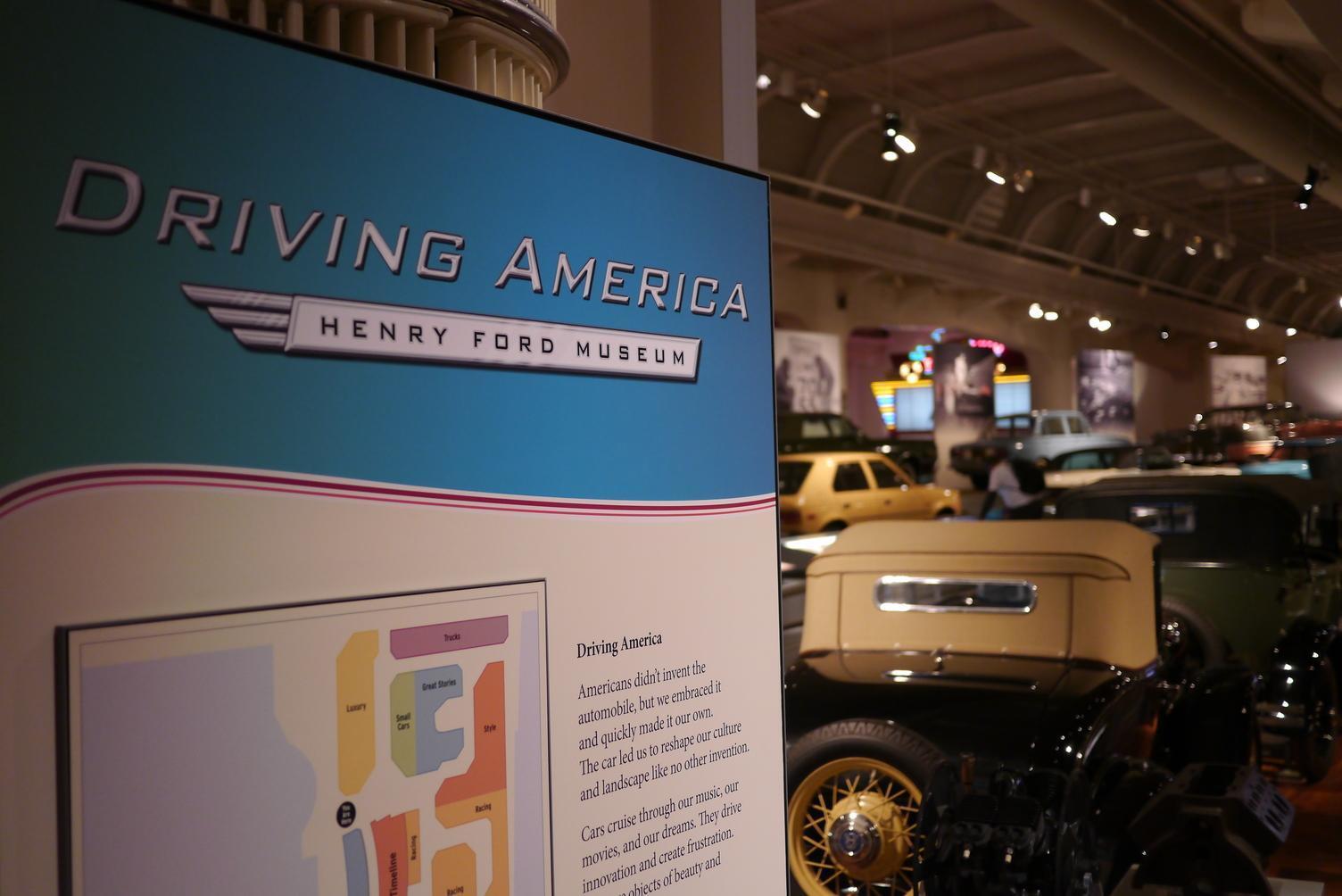
Also, be sure to head to Dearborn (which is nearby) to experience the Henry Ford Museum of American Innovation and Greenfield Village to learn more history about Henry Ford and even see a Model T up close. The permanent exhibit, Driving in America at The Henry Ford features the evolution of road trips. Visitors will be able to see how road trips have evolved over time and explain how cars led to the development of roads, interstates, motels and hotels. They even have old camping gear, trailers and even a motel replica on display.
There are plenty of places to stay, shop, eat, and experience in Detroit. The downtown areas have so much to see and do. Be sure to check out the nature and scenic spots too such as the Detroit International RiverWalk and Belle Isle Park.
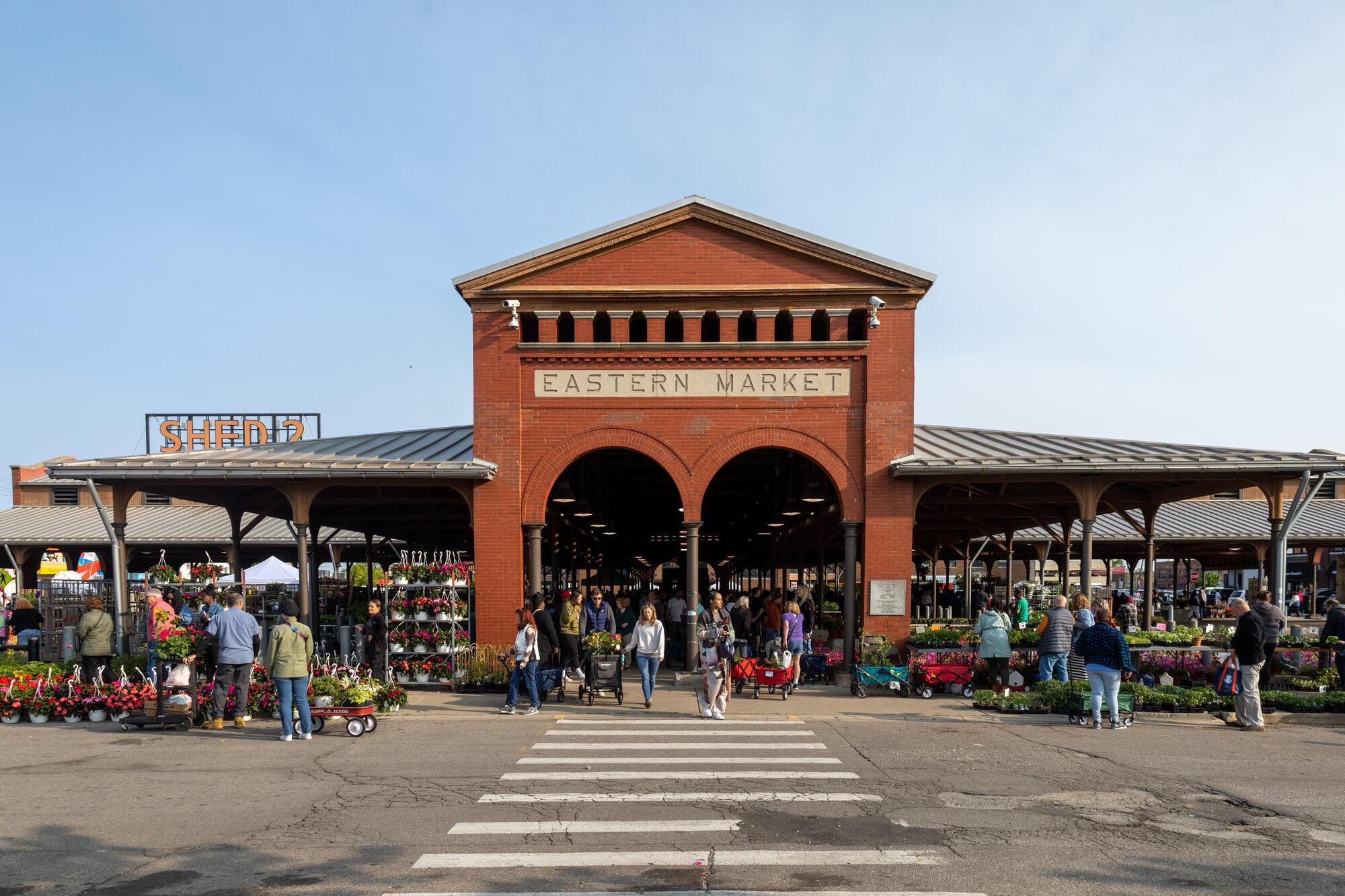
Detroit doesn’t have to be an expensive trip either. There is so much to do there and even on a budget. Check out the Belle Isle Nature Center, Anna Scripps Whitcomb Conservatory, Eastern Market, Campus Martius Park, among others for free or cheaper things to do in Detroit.
Celebrating 250 Years in America in a Fun Way
There are plenty of ways to celebrate the 250th birthday of the United States of America while road tripping through Detroit and the surrounding region. As the country marks 250 years of history, cities across the United States are planning special events, and Detroit is no exception.
From waterfront fireworks along the Detroit River to immersive museum exhibits and live music performances, there are countless ways to take part in the celebration. Visitors can experience air shows, drone displays, and festivals that highlight both the nation’s history and Detroit’s role in shaping it.
For a deeper connection to the story, stops like The Henry Ford offer a closer look at American innovation and industry, while Motown Museum showcases the cultural impact that helped define modern America. Together, these experiences and many others in Detroit make it such a worthwhile stop along the way. They really make it a meaningful place to celebrate how far the country has come.
Whether you’re planning a full road trip or just a weekend visit, 2026 offers a unique opportunity to experience Detroit at a moment when history, culture, and celebration all come together.
Where Every Road Trip Begins
The next time you find yourself cruising down an open highway, windows down and music playing, it’s worth remembering where that freedom truly began. Long before the roadside stops, scenic routes, and cross-country adventures, it all started in Detroit.
This city didn’t just build cars, it changed how the world experiences travel. From Henry Ford’s innovations to the rise of U.S. Route 66, Detroit laid the foundation for the road trip as we know it today. What began as an industrial breakthrough became a cultural icon, shaping generations of travelers and redefining what it means to explore.
Today, that legacy is still alive in Detroit. Whether you’re walking through the exhibits at The Henry Ford, experiencing the music history at Motown Museum, or setting out on your own journey from the Motor City, you’re stepping into the place where it all began.
As the United States celebrates 250 years and Route 66 marks its centennial, there’s no better time to experience this story for yourself. Because every road trip, no matter where it leads, traces back to one place.
Detroit. Start planning your journey.