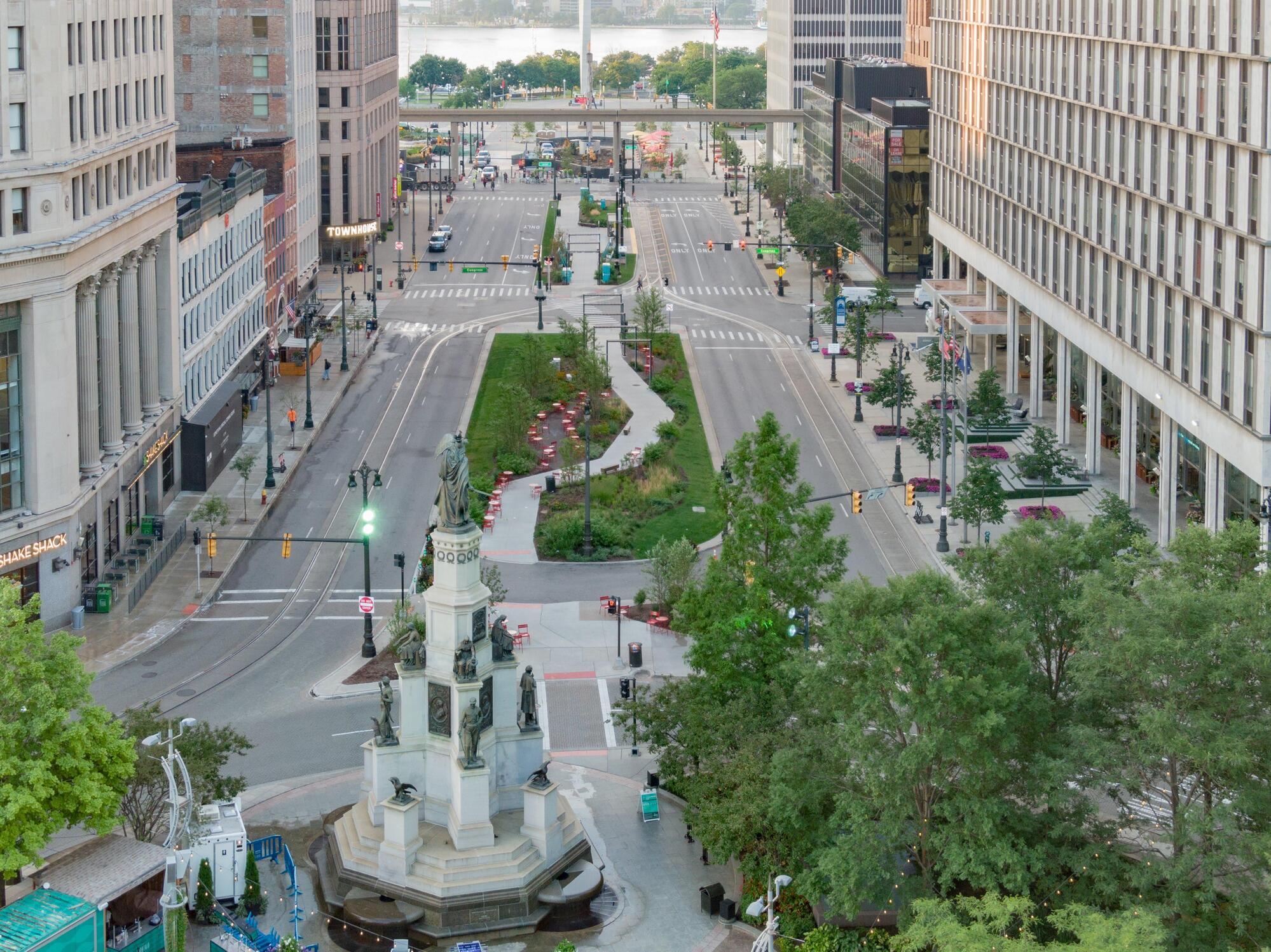
From the heart of downtown Detroit, the city’s main arteries fan out like out-stretched fingers on a hand. Or more famously, like the spokes on a wheel.
The roots of the spoke-and-hub street layout date back more than 100 years, when Judge Augustus B. Woodward drafted his vision for the city following a fire in 1805 that devastated nearly the entire town. Influenced by the street layout of Washington, D.C., Woodward’s plan used a pattern of triangles and hexagons divided by wide grand avenues that met near a town center called Campus Martius.
Those avenues - Jefferson Avenue, Gratiot Avenue, Woodward Avenue, Grand River Avenue, Michigan Avenue, and Fort Street - still run today, leading to and from downtown for people who prefer surface street travel in lieu of the area’s many freeways.
They stretch for miles, those roads that Woodward envisioned, first through Detroit neighborhoods, out to the suburbs, and beyond. In one case, the road reaches beyond the state’s border.
Revived in recent decades as Campus Martius Park, the original city center remains the heart of downtown Detroit. And each of Woodward’s original grand boulevards remain as well, many still springing from the round-about that wraps the park.
Each of them, from their origin downtown to the rural farmlands of Southeast Michigan, help tell a unique piece of Detroit’s history, and shape the city with unusual intersection angles that sometimes leave travelers confused - and thankful for voice navigation.
All six are dotted with historic sites, local hotspots and tourist destinations. We take you on a drive along all six of those main arteries, making stops at landmarks - some that remain, others that once stood.
Jefferson Avenue
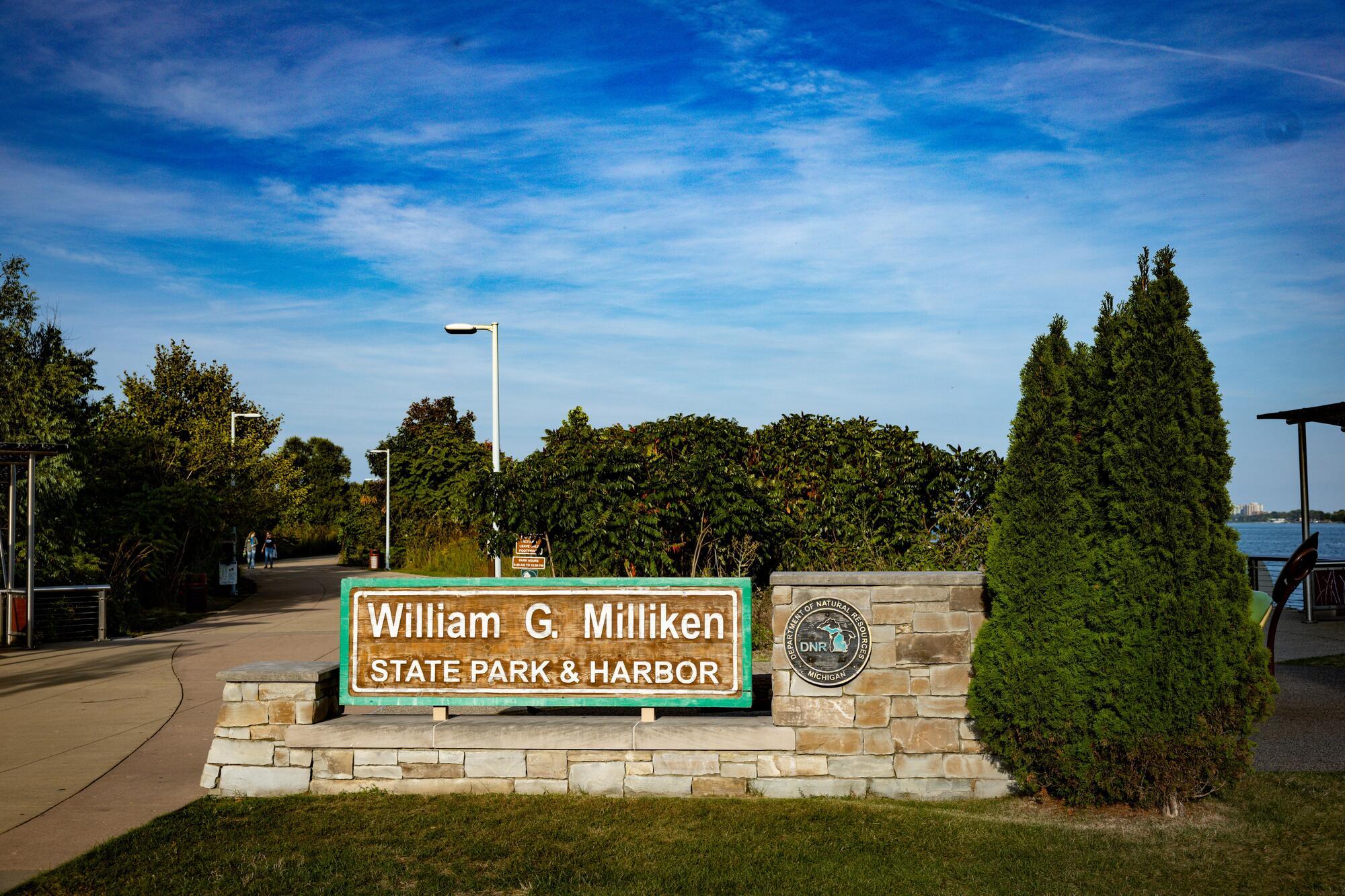
Running parallel with the Detroit River, Jefferson Avenue starts in downtown Detroit at the Renaissance Center’s doorstep and takes travelers east through the Grosse Pointes. From downtown, it’s a direct route to the side streets that lead to riverfront destinations such as Milliken State Park and Harbor, the Aretha Franklin Amphitheater, and the Rivertown-Warehouse District.
A few blocks further, look for the MacArthur Bridge and spend an afternoon on Belle Isle. The island park, larger than New York’s Central Park, offers an aquarium, a nature center, the renowned James Scott Memorial Fountain, miles of riverfront fishing, and spectacular skyline views of downtown Detroit.
Once past the Detroit city limit, Jefferson rolls through the Grosse Pointes, where it fittingly changes names to Lakeshore Drive. The view overlooking Lake St. Clair on one side is breathtaking. The view of the lakefront mansions on the other side is equally memorable. Lakeshore Drive flips back to Jefferson Avenue roughly where you’ll see the Ford House, former estate of Edsel and Eleanor Ford. The magnificent estate is open for tours, and during summer months features a weekly summer concert series on the lawn.
Jefferson continues along the Lake St. Clair shoreline through St. Clair Shores and its “Nautical Mile,” eventually reaching its end point in Mt. Clemens when it meets the grounds of Selfridge Air National Guard Base.
Gratiot Avenue
Branching off of Woodward Avenue just a block north of Campus Martius, Gratiot Avenue runs northeast through the city and out to Macomb County suburbs such as Eastpointe, Roseville and Mt. Clemens.
Its origin sits in the shadows of the Hudson’s Tower, a 49-story, 685-foot skyscraper that recently claimed the No. 2 spot on the list of tallest buildings in Detroit. The tower stands as a symbol of new Detroit, but don’t worry, a piece of old Detroit is just a short drive up Gratiot.
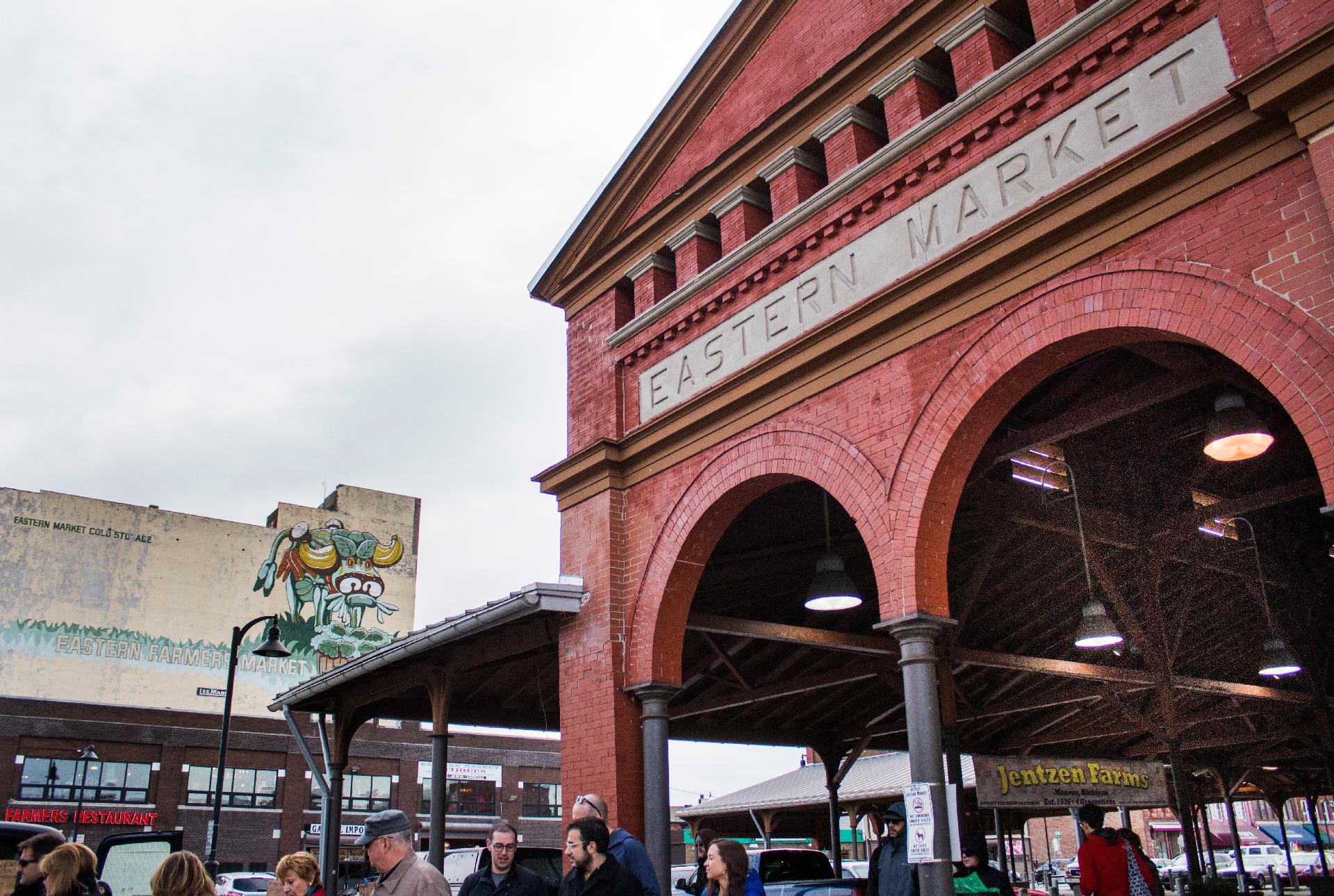
Eastern Market is among the oldest open-air farmers’ markets in the United States, pre-dating the Civil War. It moved from downtown Detroit to its current location in 1891. The steel and brick sheds you see today were added about 100 years ago.
Open every Saturday year-round from 6 a.m. to 4 p.m., Eastern Market attracts thousands of visitors in search of farm-fresh produce, meats, and hand-crafted goods. Through the summer months, the market is also open Tuesdays from 9 a.m. to 3 p.m. and Sundays from 10 a.m. to 4 p.m. The Eastern Market neighborhood also includes various bars, restaurants and shops.
About a mile further up Gratiot, look for the famed Faygo Beverages plant, where they’ve been bottling deliciousness since 1935. The company actually pre-dates the factory by nearly three decades, back to the early 1900s when Russian immigrant brothers Ben and Perry Feigenson made three soda flavors and sold them from a horse-drawn wagon while driving the city’s neighborhoods.
The brothers recognized in 1921 that the name Feigenson was a bit long to fit on a 7-ounce bottle, so they rebranded their company as Faygo. Today, the company sells more than 50 flavors of pop and is recognized as a Detroit classic.
Didn’t get your fill of coney dogs downtown? Beyond the city limits, you’ll find National Coney Island where Gratiot intersects with 11 Mile Road in Roseville.
Gratiot continues for more than 60 miles before it changes identities in Port Huron.
Woodward Avenue
The main thoroughfare in Detroit shares a name with the man whose vision helped create the city’s street layout. It once continued south to the shores of the Detroit River, land now occupied by Hart Plaza. If Campus Martius is the heart of the city, Woodward is the carotid.
Bob Seger may have cruised it in a muscle car, but these days you can tour a little more than three miles of Woodward in a Q-Line streetcar. From downtown Detroit out to New Center, the Q-Line is a quick and convenient way to get from Campus Martius to places like Little Caesars Arena, the Detroit Institute of Arts, and the Fisher Building.
For those traveling on foot downtown, don’t miss the start of the Woodward Cultural Heritage Tour, a series of placards marking cultural institutions, architectural masterpieces, and automotive landmarks. Markers flag points of interest such as the original Vernor’s location, where James Vernor created his now-famous ginger ale.
Further north into Midtown, the Magic Stick has become one of the city’s top live music venues, specializing in garage rock and techno music. The Magic Stick is part of the broader Majestic complex that offers a variety of entertainment options, including Garden Bowl, the Alley Deck, and Sgt. Pepperoni’s Pizza.
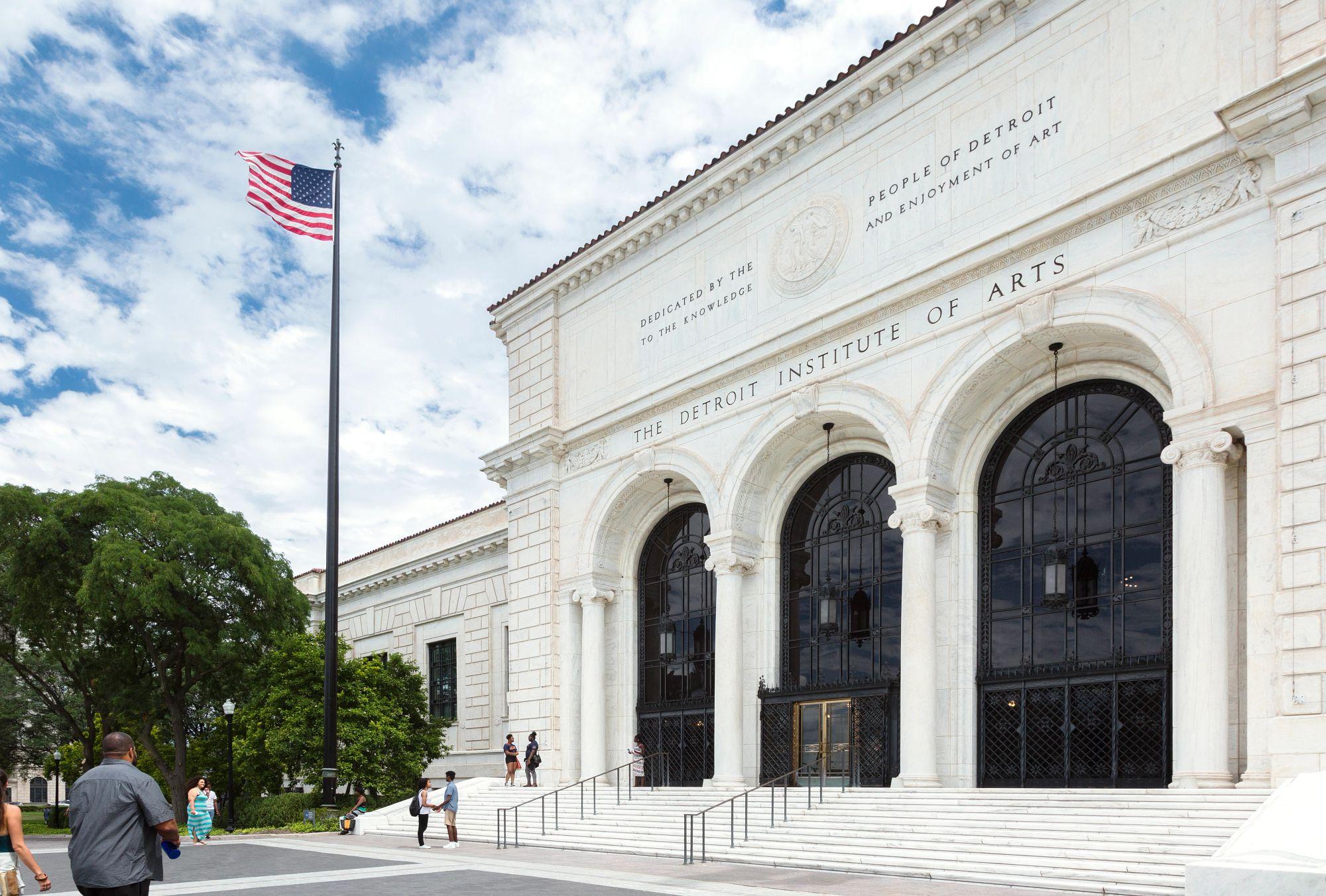
A half-mile north, the Detroit Institute of Arts remains one of Detroit’s most world-renowned attractions and the center of the city’s Cultural District, with a collection of more than 65,000 works. The diverse collection includes American, European, African, Asian, Native American, Oceanic, Islamic and Ancient works.
Neighboring the DIA are notable family-friendly cultural attractions such as the Detroit Historical Museum, the Charles H. Wright Museum of African American History, and the Michigan Science Center.
Across the Woodward from the DIA, the Detroit Historical Museum brings the city’s history to life with interactive exhibits, engaging displays, and experiences that celebrate the industries, culture and stories of Detroit history.
Behind the DIA, the Wright Museum explores the rich cultural legacy of African Americans, in Detroit and across the country, while the Science Center provides a great adventure for kids and adults alike with live shows, an immersive dome, a 4D theater, a planetarium, an 8,700-square-foot special exhibit hall and more than 220 interactive exhibits.
Woodward extends north nearly 30 miles to Pontiac, and runs through vibrant suburban towns such as Ferndale, Royal Oak and Birmingham. Among some of the notable destinations that boast a Woodward address include the Rust Belt Market in Ferndale and the Detroit Zoo in Royal Oak.
Grand River Avenue
Grand River Avenue today intersects with Woodward a couple of blocks north of Campus Martius before running through the city’s northwest neighborhoods, out through suburbs like Farmington and Novi, and eventually to Lansing, the state capital, nearly 100 miles away.
Grand River remains a pivotal corridor in the city, and is home to one of Detroit’s three casinos, the MotorCity Casino Hotel. A full entertainment complex, MotorCity includes a 100,000-square-foot casino, a 400-room hotel, the Sound Board live performance theater, and the D. Tour Spa.
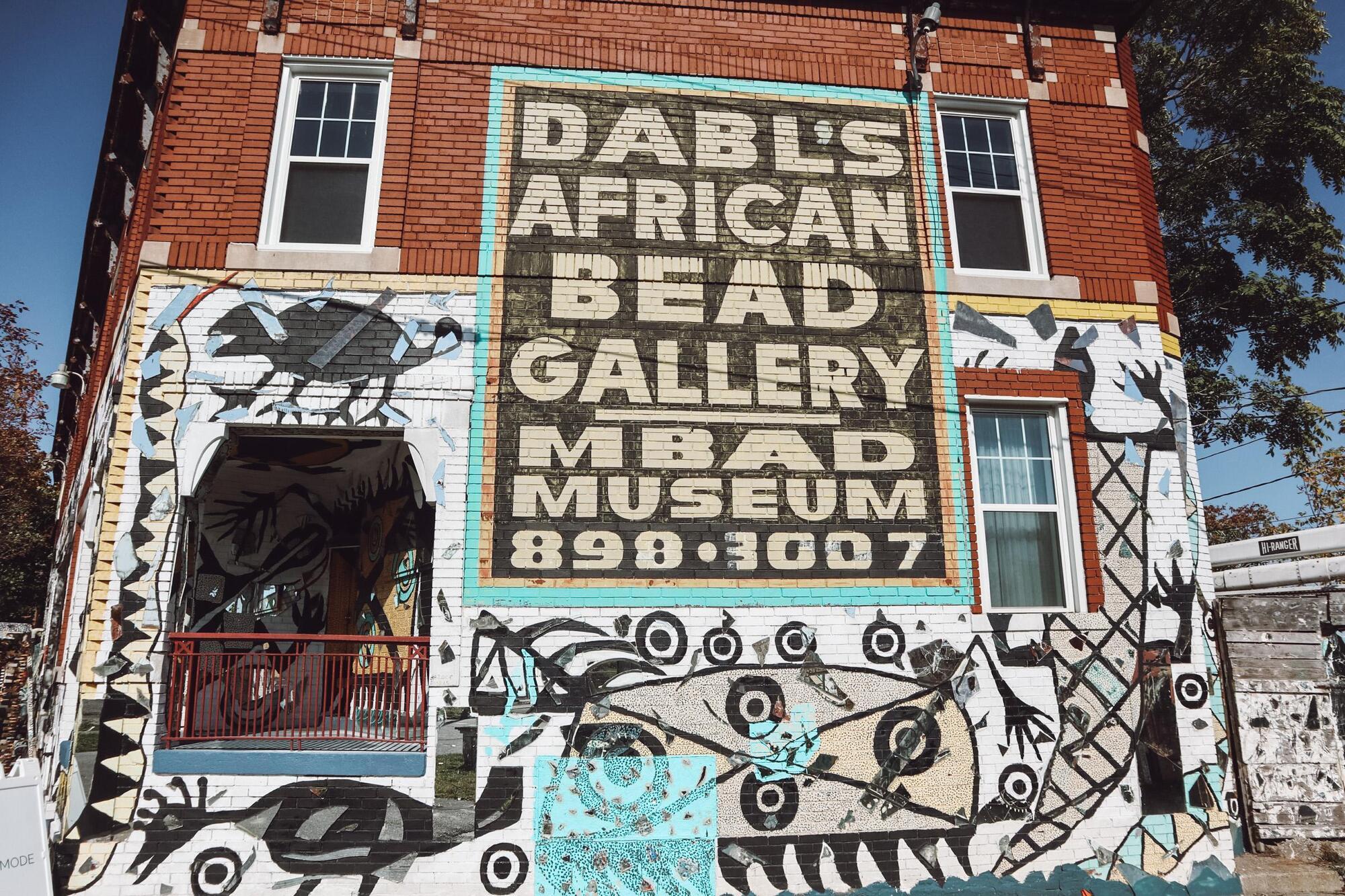
If you’re looking for entertainment at a different speed, travel a couple of miles out Grand River and visit the unique Grand River Arts Alley and the neighboring Dabls Mbad African Bead Museum. The arts alley is one of nine such displays that opened in the city in 2025, and features an eclectic display of the works of local artist Olayami Dabls.
Seven miles ahead in Detroit’s Rosedale Park Historic District, spend a quiet afternoon browsing the shelves at Pages Bookshop. The youth-led store specializes in local authors, often hosting authors to discuss their work with the community.
Once beyond the Detroit city limits, Grand River primarily runs parallel with I-96.
Michigan Avenue
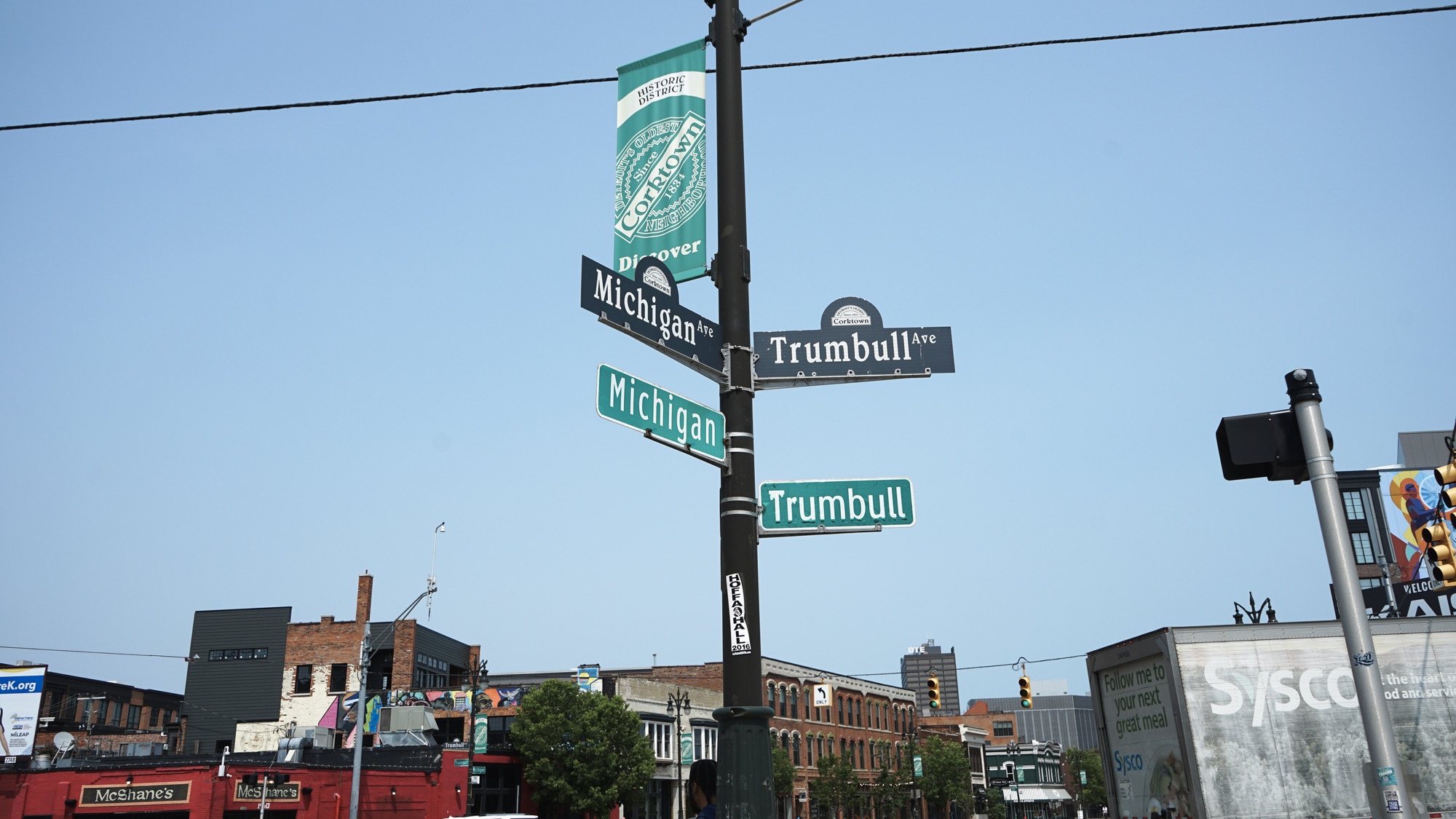
Originally built in the 1820s and ‘30s as a military road connecting Fort Detroit with Fort Dearborn in Chicago, Michigan Avenue has historic roots in one of Detroit’s most thriving areas: Corktown.
Portions of the original red-brick surface remain, even as recent developments have turned the city’s oldest neighborhood into a high-demand residential destination for tech professionals working out of Michigan Central. The Ford-led redevelopment project turned the abandoned Michigan Central Station into new headquarters for its electric-vehicle division, the crown jewel of a campus that blankets a large swath of Corktown.
Hints of yesterday’s Corktown do remain, at places like Nemo’s Bar. A longtime Detroit Tigers fan favorite hangout, Nemo’s for many is a treasure that holds memories of the former Tiger Stadium that stood at Michigan and Trumbull for decades.
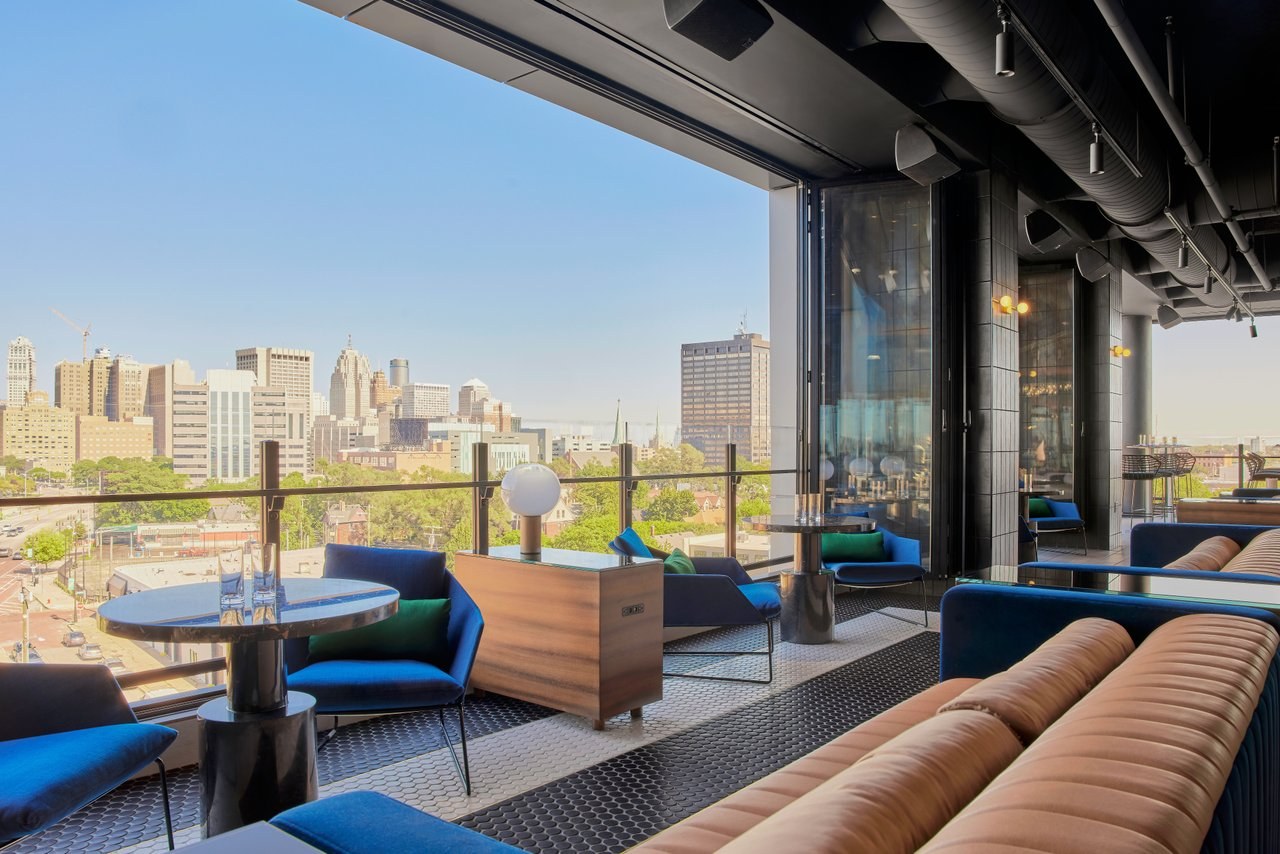
A new brand of bar lives just across the street, at I|O Rooftop Lounge. Perched atop The Godfrey Hotel Detroit, the I|O Rooftop Lounge serves up skyline views and boutique beverages.
Michigan Ave., as it’s known locally, runs straight west before veering slightly south through downtown Dearborn and the nearby Ford global headquarters. It meets up again with Ford in Wayne, where the Michigan Assembly Plant cranks out hundreds of Bronco SUVs and Ranger pickup trucks every day.
Often paralleling I-94 as it works its way west across the state, Michigan Avenue - sometimes wearing different names such as Chicago Road - swerves through Michigan’s Irish Hills before continuing on to the state border with Indiana and into Chicago.
EXPLORE MORE

Explore Detroit Through its Most Iconic Landmarks
Detroit’s iconic landmarks are more than just sights—they’re stories woven into the city’s rich history. From architectural marvels to cultural…

The City That Put the World on the Road: Celebrating Route 66’s 100th Anniversary
Before Route 66 became an American icon, Detroit helped set the country in motion. As the Mother Road marks its…

7 Reasons You’ll Strut in Style on Detroit’s Avenue of Fashion
Immerse yourself in the dynamic culture of Detroit's neighborhoods along the stretch between 7 and 8 Mile.